Software engineering is undergoing a fundamental shift away from static prompt generation toward autonomous workflows. You will master agentic ai engineering systems that do not just write snippets, but reason, use terminal tools, inspect codebases, and execute multi-step debugging loops without constant human intervention.
If you are tired of copy-pasting code fragments from chat windows and want to build deterministic loops that interact with real repositories, this program bridges that gap. You will transition from a developer leaning on standard assistants to an engineer who constructs stateful, multi-agent architectures capable of managing real-world software tasks.
What you will build during the program
Theory alone does not prepare you for production failure modes like infinite reasoning loops or context drift. Every module centers around building a functional, testable piece of software infrastructure.
- A CLI Codebase Explorer Agent: Built with Python and the Claude 3.5 Sonnet Messages API, this tool indexes local directory trees, reads files with custom slicing algorithms, and safely modifies code according to developer prompts.
- A Multi-Agent Planning Pipeline: Implemented using LangGraph, this workflow splits complex user requests across specialized agent nodes—assigning a Planner, Coder, Reviewer, and Tester to coordinate tasks sequentially.
- An Isolated Sandboxed Execution Engine: Using Docker containers and temporary volumes, you will build a secure environment where your agents can run arbitrary shell commands, execute unit test suites, and parse error outputs without risking the host machine.
- An Autonomous GitHub PR Agent: Your capstone deliverable. This system listens for incoming GitHub webhooks, fetches issue descriptions, spawns an isolated container, writes patches, runs test runners until they pass, and opens a verified pull request with a clean diff.
- An Observability Dashboard: Configured with LangSmith to trace agentic loops, track token expenditures, and debug tool-calling errors when prompts fail or return malformed JSON payloads.
Who this course is for and what you need
This program is built for backend engineers, full-stack developers, and technical leads who already know how to write code in Python or JavaScript, use Git, and work comfortably inside a terminal. You should understand basic REST APIs and JSON payloads.
You do not need prior machine learning or model training experience. We focus entirely on software engineering practices for LLM orchestration, system design, API integration, and fault-tolerant agent loops. If you want to explore foundational concepts further, you can review our 100 days of AI engineering tutorial series before classes begin. To understand how prompt structures transition into software wrappers, read our guide on Prompt Engineering to Code Wrappers: AI Development Evolution. If you are deciding between framework layers, our analysis on LangChain vs LangGraph vs LangSmith covers when to adopt specific orchestration utilities.
How our live online sessions run
Cohorts meet via live, instructor-led interactive sessions designed for working developers across global timezones. There are no pre-recorded videos from years past. Your instructors are working engineers who build agentic pipelines in production daily.
Sessions combine live coding, architectural deep dives, and rigorous code reviews. When your agent enters an infinite recursion loop during a lab, your instructor debugs it live with you, showing you how to inspect state payloads and adjust system prompts. You also get access to dedicated coding sandboxes and API keys for the duration of the course.
The job market for Agentic AI engineering
Hiring managers at product companies and distributed engineering teams are aggressively looking for developers who can bridge traditional software development with LLM orchestration. Standard prompt engineering roles are commoditized. Companies now need engineers who understand tool use, function calling, vector storage, and deterministic state management.
Interview loops for these roles test your ability to handle non-deterministic outputs, design fault-tolerant fallback mechanisms, and manage API token budgets under high concurrency. You will be tested on system design for multi-agent workflows and sandboxed code execution security. Read our breakdown on Waterfall to Agentic SDLC: The Evolution of Software Engineering to understand how engineering team structures are changing right now. If you are exploring broader transitions, our Agentic AI vs Generative AI: How to Start Learning in 2026 post provides a helpful roadmap.
Your next step in AI engineering
Agentic systems represent the immediate future of software delivery. When you master stateful execution, tool calling, and multi-agent coordination, you gain the ability to build advanced categories of software automation. If you want to master foundational concepts comprehensively before scaling up, consider exploring our Artificial Intelligence course or our Generative AI Course. You can also pair your development loops with our GitHub Copilot Mastery: GH-300 & GH-600 Certification Program to optimize your daily coding workflows. When you are ready to build enterprise applications across multi-cloud architectures, you can advance directly into our Advanced AI-Driven Full-Stack Cloud Architect Program or our Production-Grade Generative AI and Agentic AI Engineer Program.
Secure your seat in the upcoming cohort and start building autonomous systems that change how software gets shipped.







 GitHub Copilot Mastery: GH-300 & GH-600 Certification Program Beginner12 Weeks (93 Hours)
 Artificial Intelligence Advanced6 Months
 Machine Learning Intermediate6 Months
 Data Science Advanced6 Months
 Deep Learning Advanced6 Months
 Generative AI Course Advanced6 Months (24 Weeks)
 Trending
 Trending
 Trending
 Trending
 New
 Docker Tutorial — Learn Docker from Scratch | Squarebrackets Intermediate15 Hours
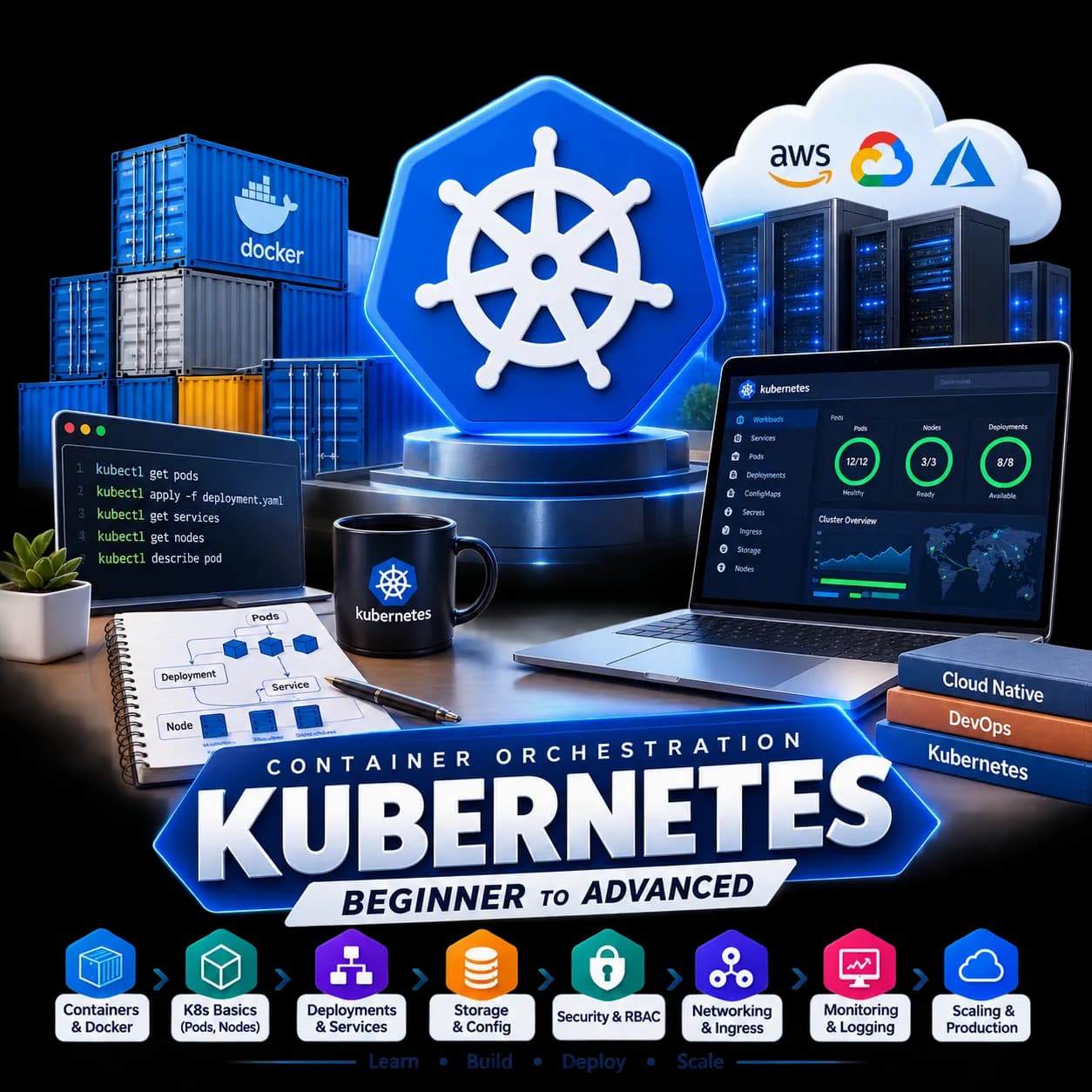 Kubernetes Beginner to Production Grade: A Hands-On DevOps Guide Beginner25 min
 100 Days of DSA with Java Beginner to advanced100 days · 85 lessons published
 100 Days of AI Engineering Beginner to advanced100 days · 57 lessons published
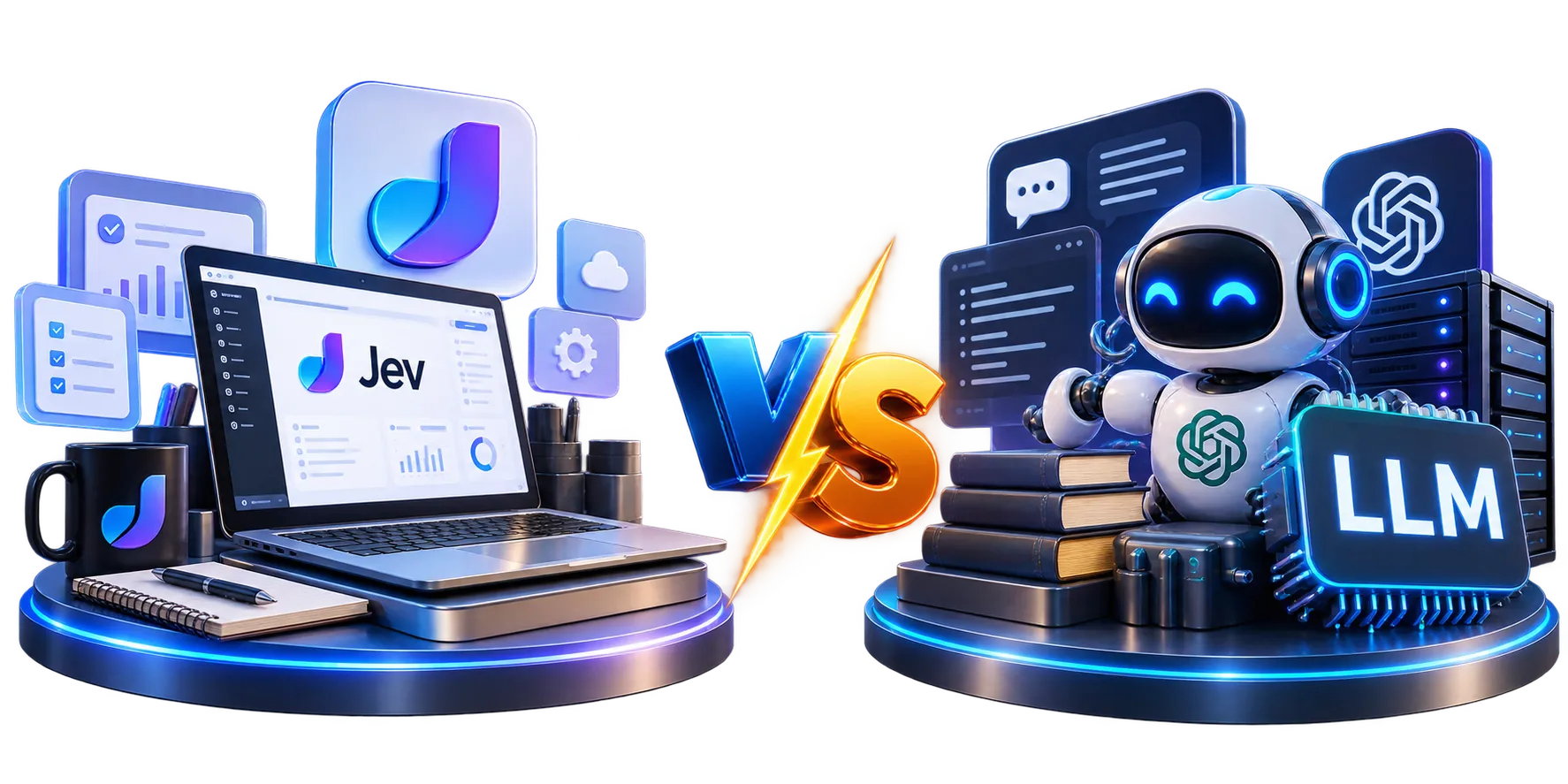 What is JEV and How Is It Different from LLMs? 5 min3 Oct 2026
 Waterfall to Agentic SDLC: The Evolution of Software Engineering 5 min6 Sept 2026
 Prompt Engineering to Harness Engineering: AI Development Evolution 5 min6 Sept 2026
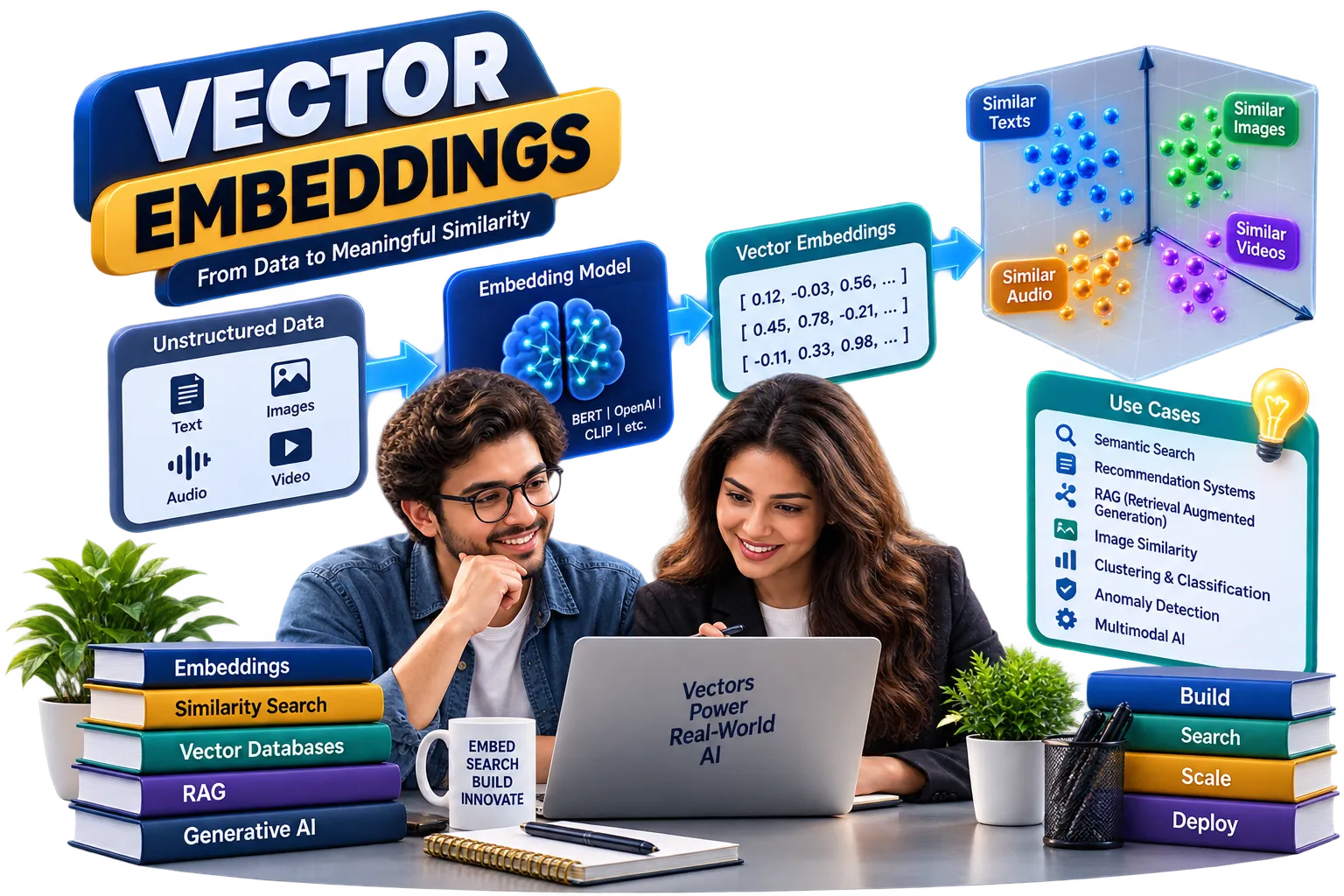 Vector Embedding Explained: The Math Behind Modern AI 5 min4 Sept 2026
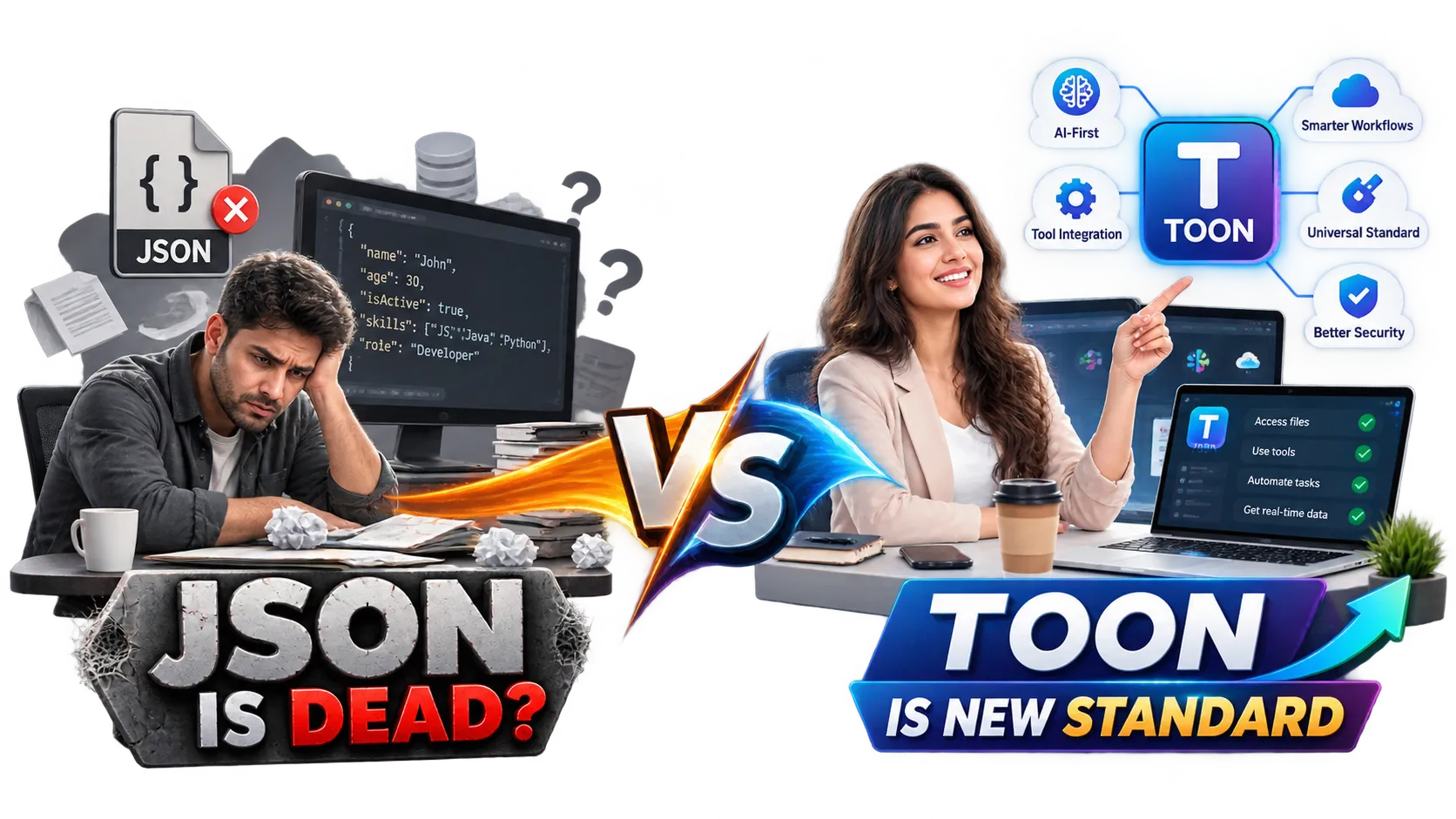 JSON vs TOON: The Problem and the Fix for LLM Data Transfer 5 min18 Aug 2026
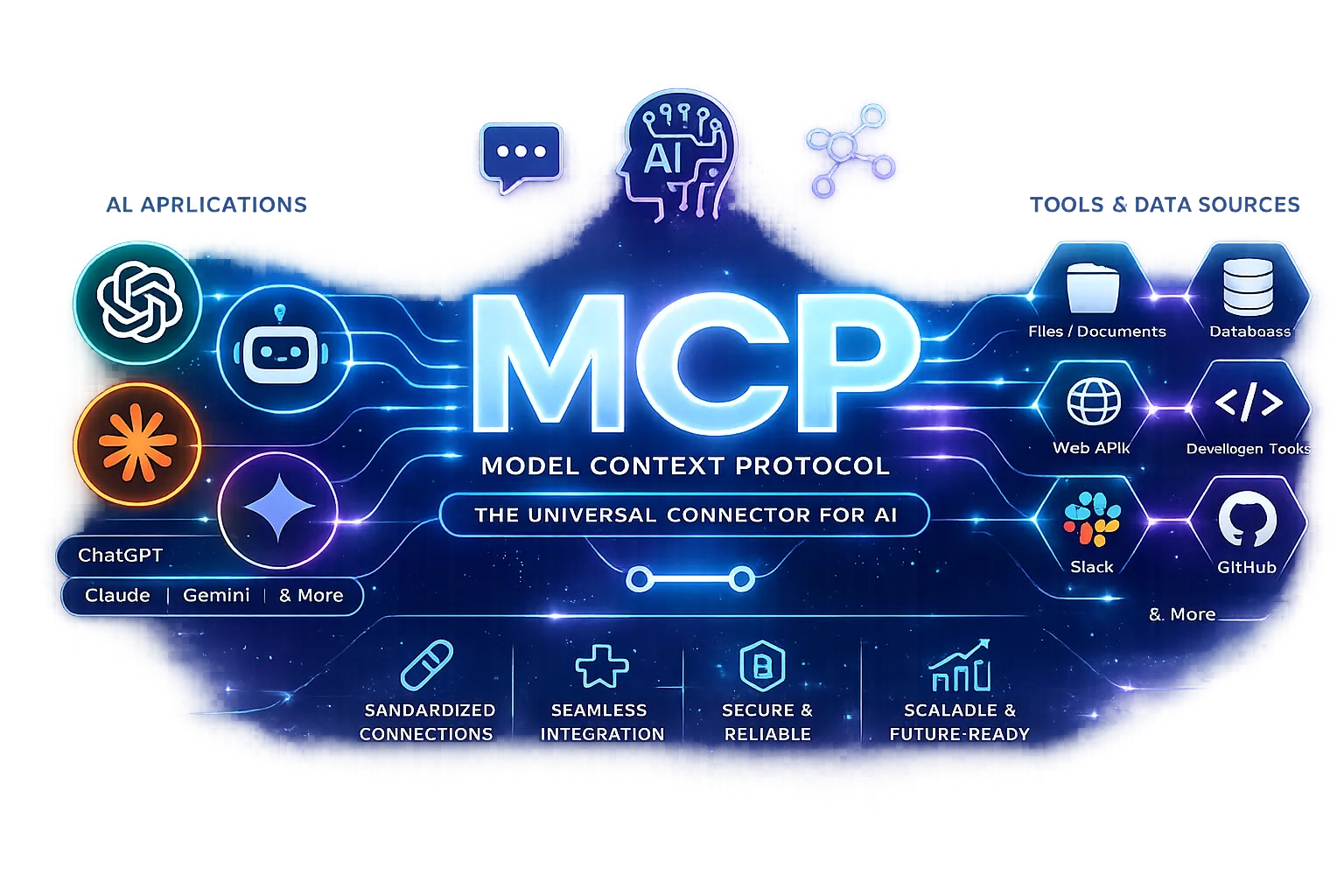 Model Context Protocol and the N*M Integration Problem 5 min16 Aug 2026