Mastering the AWS Cloud requires moving past the web console and understanding how enterprise systems operate under real production load. When you build infrastructure that serves global users, spinning up an EC2 virtual machine is only step one. You need to configure security perimeters that pass external compliance audits, isolate traffic across multi-region networks, automate provisioning with code, and prevent runaway billing when traffic surges. In this program, you will design and deploy highly available architectures on Amazon Web Services from scratch, preparing for real responsibilities in cloud, backend, and platform roles.
What you will actually work on
Throughout the cohort, you will build concrete infrastructure on your own cloud account rather than clicking along with sanitized demos. Every architecture translates directly into a production asset you can show in technical interviews:
- Least-Privilege IAM Framework: Construct isolated development and production roles governed by granular JSON policies, explicit condition blocks, AWS Organizations service control policies, and hardware-backed multi-factor authentication.
- High-Availability EC2 Cluster: Launch an auto-scaling fleet of Amazon EC2 instances running Amazon Linux 2023 behind an Application Load Balancer, configured with target groups, path-based routing, and instance refreshing.
- Encrypted S3 Storage Engine: Build an Amazon S3 pipeline configured with bucket versioning, intelligent-tiering lifecycle policies, cross-region replication, and customer-managed AWS KMS cryptographic keys.
- Multi-Tier VPC Architecture: Design an Amazon VPC across two availability zones with public and private subnets, redundant NAT gateways, custom route tables, and Amazon Route 53 latency-based routing policies.
- Event-Driven Serverless API: Build a stateless backend with AWS Lambda using Python 3.12, Amazon API Gateway HTTP endpoints, Amazon DynamoDB single-table design, and automated trigger queues on Amazon SQS.
- Containerized Microservices on Fargate: Containerize a backend service, push versioned images to private Amazon ECR repositories, and orchestrate service tasks using Amazon ECS on AWS Fargate behind an Application Load Balancer.
- Declarative IaC with Terraform: Write modular HashiCorp Terraform and CloudFormation templates to provision multi-subnet environments, state locking via DynamoDB, and remote S3 state backends.
- Centralized Observability Stack: Create Amazon CloudWatch log groups, composite alerting rules for 5xx errors, custom metrics filters, and AWS CloudTrail multi-region audit trails for governance.
Architecting production systems on AWS Cloud
Building reliable infrastructure means planning for failure before it happens in production. You will implement the six pillars of the AWS Well-Architected Framework across compute, networking, and data layers. Instead of configuring services manually, you will use the AWS CLI v2 and Terraform to enforce reproducibility across your pipelines.
You will configure relational data engines with Amazon RDS PostgreSQL 16 in multi-AZ configurations, run Aurora read replicas to distribute query spikes, and build sub-millisecond caching layers with Amazon ElastiCache for Redis. If you are exploring multi-cloud environments, our Azure Cloud training and Google Cloud (GCP) course offer deep dives into alternative architectures. For advanced professional tracks, you can also explore the Microsoft Azure Solutions Architect AZ-305 Certification Training and the Microsoft Azure DevOps Solutions Architect (AZ-400) program.
Who this course suits and how we run sessions
This program is designed for software developers, systems administrators, site reliability engineers, and technical freshers who want to build and manage production-grade cloud systems. If you already work with container fundamentals from our Docker training or system administration via our Linux course, this training serves as the direct bridge to cloud-native platform engineering. If security operations and threat mitigation across environments are part of your team responsibilities, our Cybersecurity (SOC OPS, Cloud Security) course provides complementary knowledge. Engineers aiming for senior multi-cloud and system design responsibilities will find this curriculum aligns directly with the architectural rigor covered in our Advanced AI-Driven Full-Stack Cloud Architect Program.
Sessions run live online in an interactive cohort setting. You build along with working cloud engineers, writing templates, configuring networks, and troubleshooting errors inside your terminal. You will diagnose broken security group rules, resolve routing conflicts in route tables, debug cross-account IAM trust relationships, and tune auto-scaling policies to handle synthetic traffic spikes generated by load tools. Every session is recorded so you can revisit complex setups, and mentors review your infrastructure repositories one-on-one.
The cloud engineering job market
Hiring loops for Cloud Engineers, AWS Solutions Architects, and Platform Engineers test practical decision-making. Interviewers rarely ask you to recite definitions. Instead, they give you a system failure: a database connection pool exhausting under load, a public subnet exposing private databases, or an unexpected data-transfer bill between regions.
Expect deep technical inquiries into stateful security groups versus stateless NACLs, Aurora storage autoscaling mechanics, and S3 consistency models. Hiring managers look for engineers who can justify why they picked an ALB over an NLB, how they avoid cold-start penalties on AWS Lambda, and how they secure IAM roles without granting wildcard permissions. By deploying and defending eight complete production architectures in code, you build the muscle memory required to pass technical screening calls and production design rounds.
Take the next step in mastering the AWS Cloud by configuring your foundational IAM policies, provisioning your first VPC, and building live alongside our senior engineering mentors.







 Microsoft Azure Solutions Architect & DevOps Expert (AZ-900, AZ-305, AZ-400) Beginner24 Weeks
 Advanced DevOps and Infrastructure Engineering Course Beginner22 Weeks
 Docker — From Zero to Production Intermediate12 Weeks (93 Hours)
 Google Cloud (GCP) Advanced5 Months (20 Weeks)
 Kubernetes: Beginner to Advanced Advanced8–12 weeks
 Azure Cloud Advanced5 Months (20 Weeks)
 Linux Intermediate3 Months (12 Weeks)
 System Monitoring & Observability Advanced4 Months (16 Weeks)
 Git & GitHub Advanced12 Weeks (90 Hours)
 Jenkins Intermediate3 Months (12 Weeks)
 Best seller
 Best seller
 Best seller
 New
 Best seller
 New
 New
 New
 New
 Trending
 Docker Tutorial — Learn Docker from Scratch | Squarebrackets Intermediate15 Hours
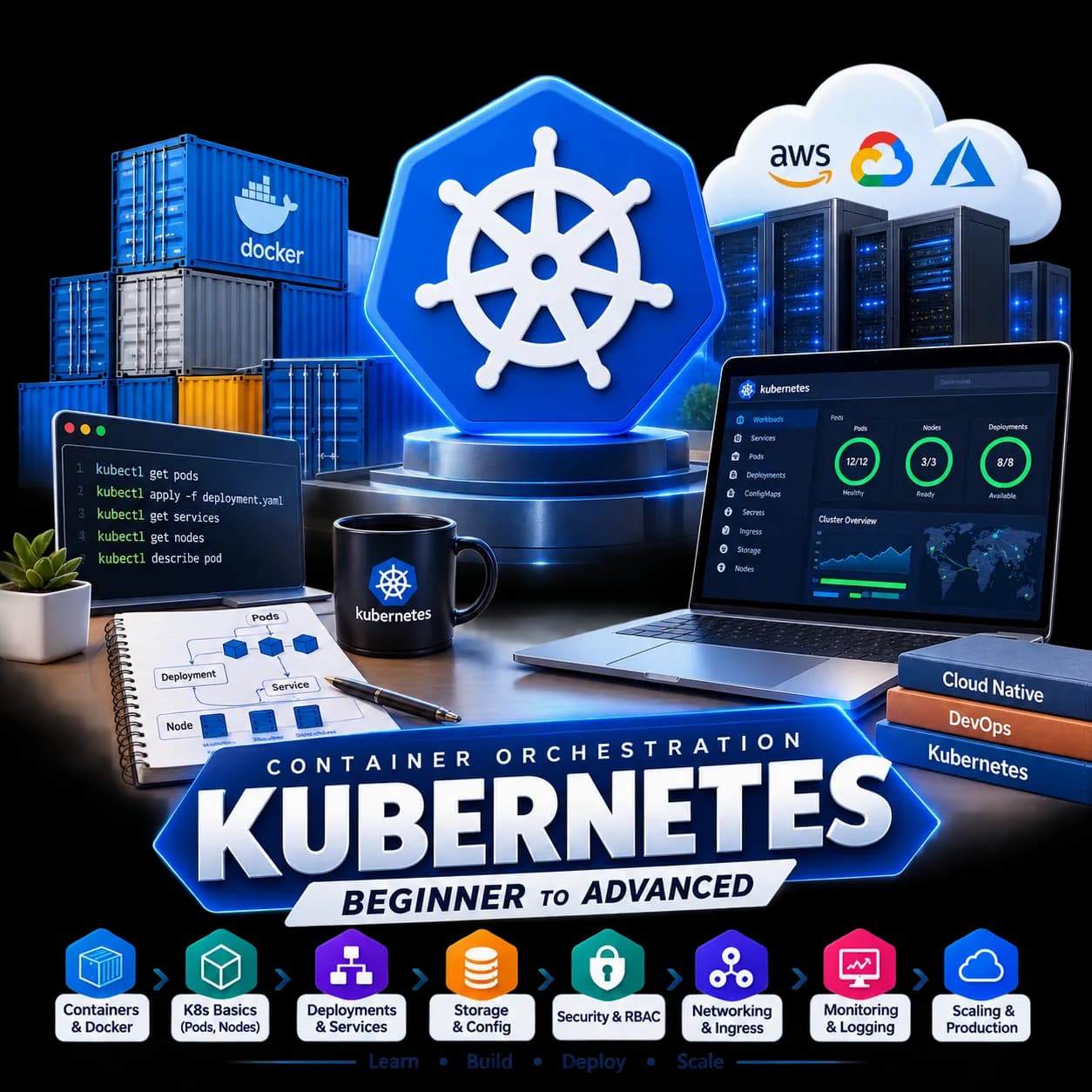 Kubernetes Beginner to Production Grade: A Hands-On DevOps Guide Beginner25 min
 100 Days of DSA with Java Beginner to advanced100 days · 85 lessons published
 100 Days of AI Engineering Beginner to advanced100 days · 57 lessons published
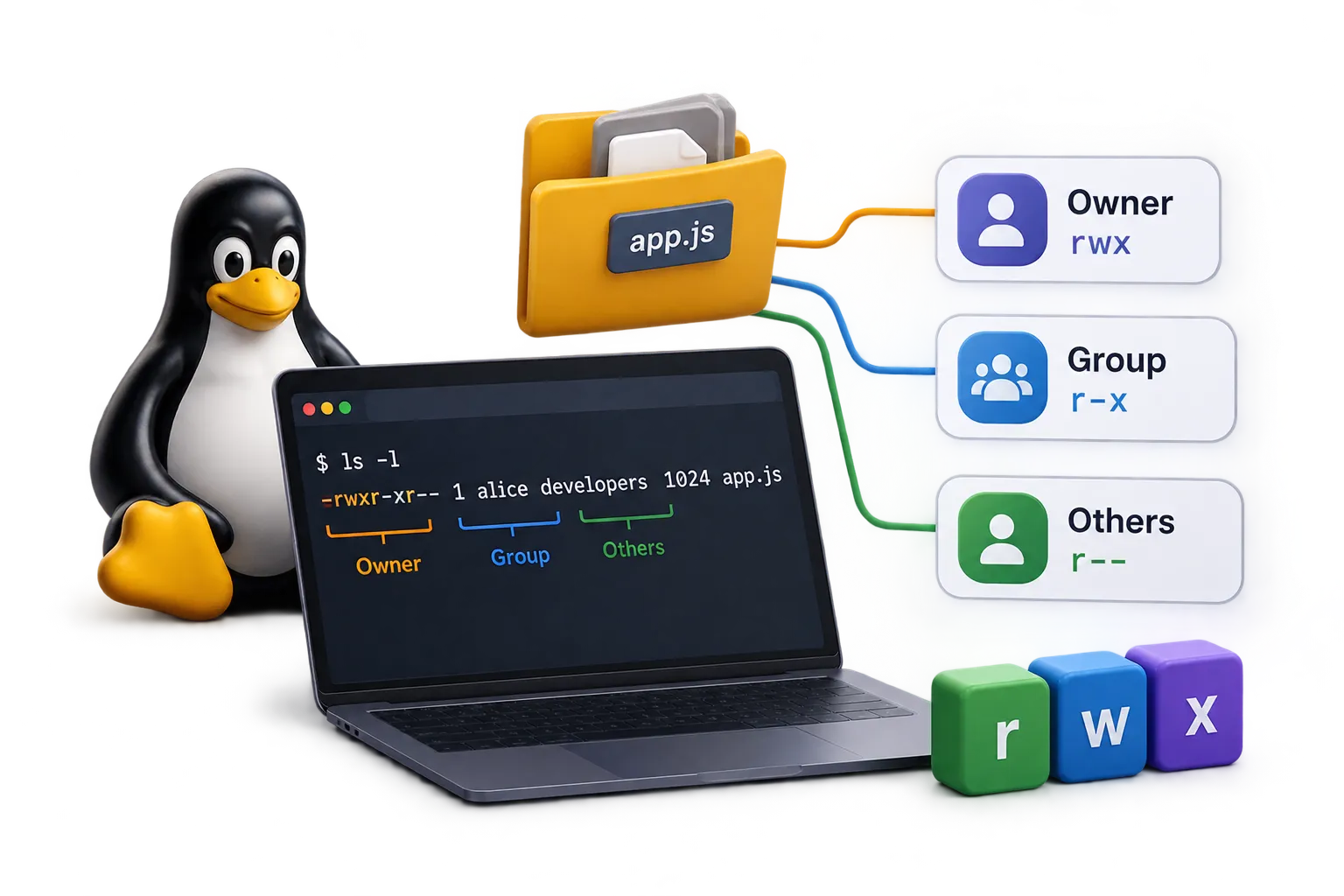 Linux Groups and File Permission: Complete Admin Guide 5 min11 Sept 2026
 Terraform Architecture Explained: How It Works Under the Hood 5 min9 Sept 2026
 Git vs GitLab: What's the Difference? (Simple Guide for Beginners) 5 min23 Jun 2026