


Swati Tyagi
Senior Full Stack and Mobile App Developer
Become a job-ready Python full stack developer. Master React, FastAPI, microservices, and Generative AI with LangChain and RAG, backed by real projects and placement support.

A structured curriculum with real tools and outcomes built for the workplace.
Every instructor here ships production code for a living and teaches the same week they deploy.
5 learners sharing their experience







Browse the common questions, or reach out and our team will help you directly.
7 courses in this collection
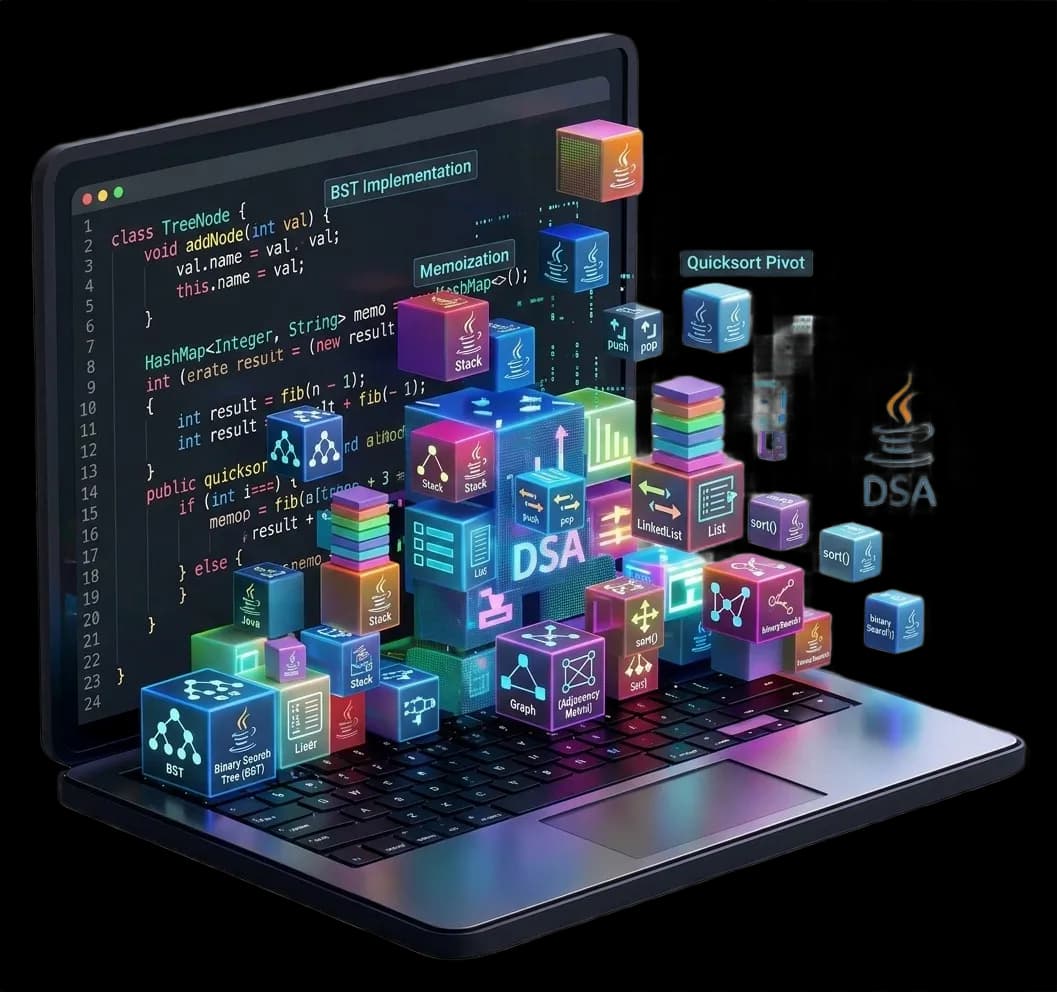 Java Full Stack with Microservices & GenAI Beginner8 Months (32 Weeks)
 Next JS with Gen AI Beginner4 Months (16 Weeks)
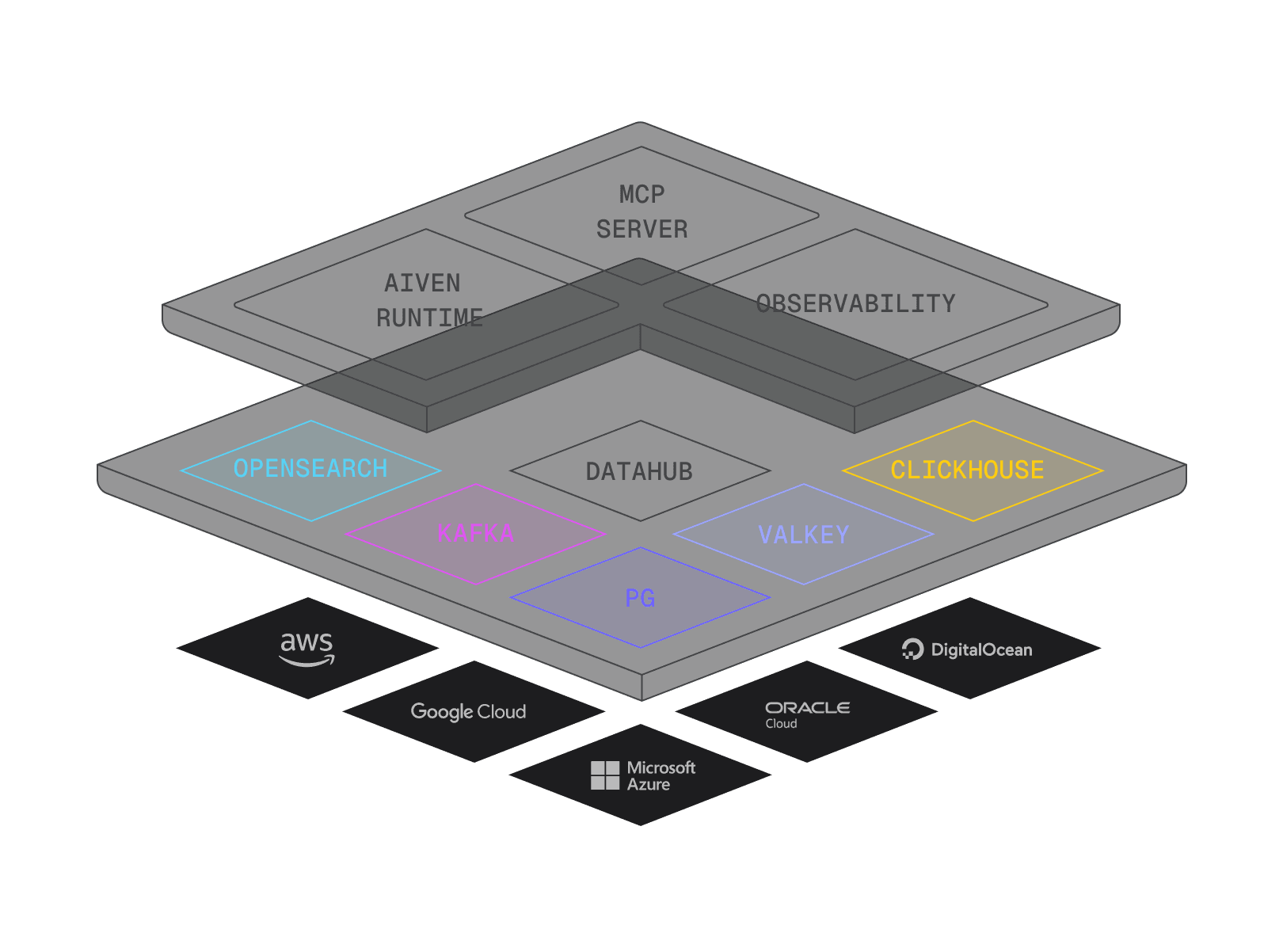 Advanced AI-Driven Full-Stack Cloud Architect Program Beginner24 Weeks (6 Months)
 React JS with Gen AI Advanced5 Months (20 Weeks)
 MERN Stack with Microservices & Gen AI Advanced7 Months (28 Weeks)
 Web Development with GoLang Advanced5 Months (20 Weeks)
 Vue JS with Gen AI Advanced5 Months (20 Weeks)
 Best seller
 Trending
 Best seller
 New
 New
 New
 New
Hands-on programming tracks with runnable code, from fundamentals to job-ready projects.
 Docker Tutorial — Learn Docker from Scratch | Squarebrackets Intermediate15 Hours
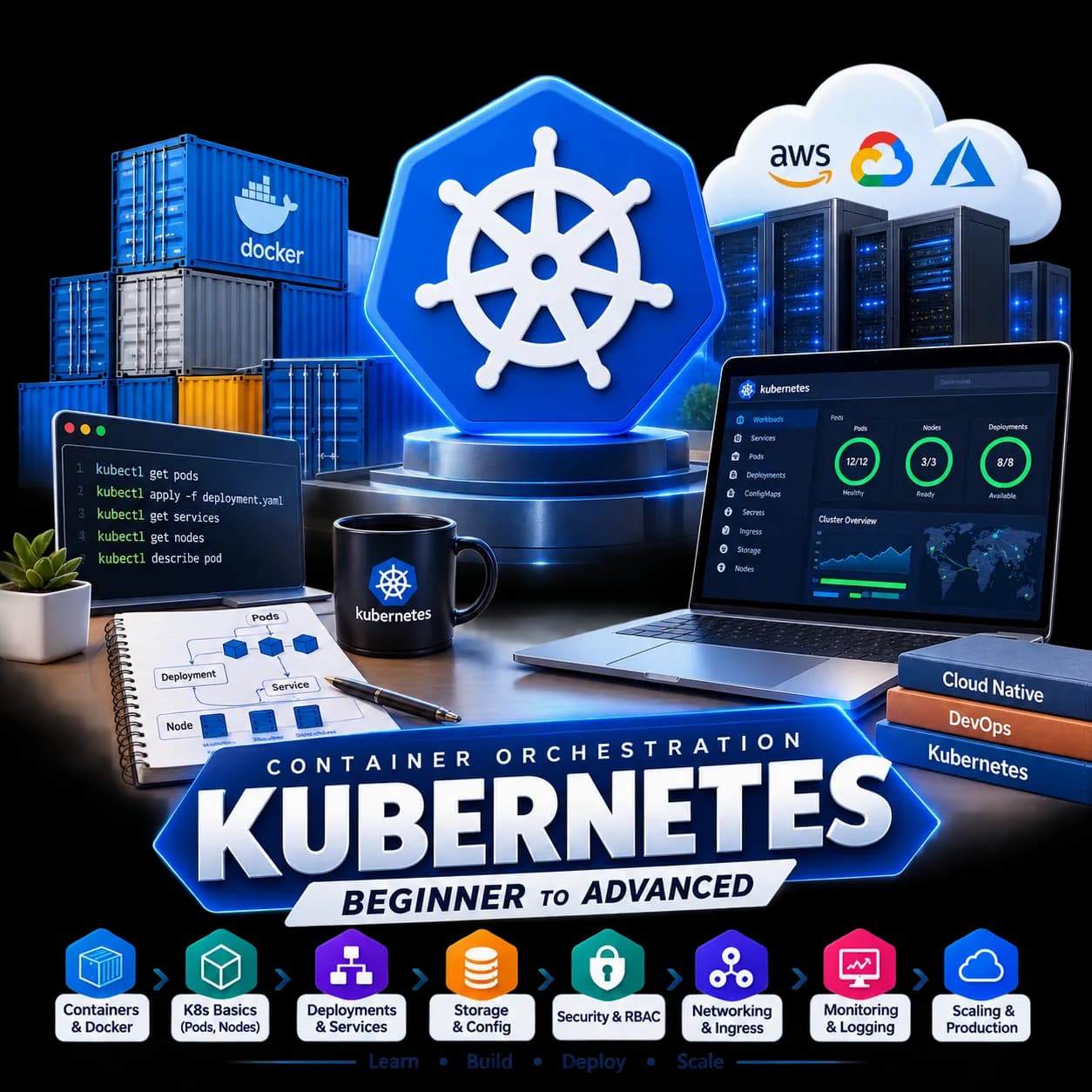 Kubernetes Beginner to Production Grade: A Hands-On DevOps Guide Beginner25 min
 100 Days of DSA with Java Beginner to advanced100 days · 85 lessons published
 100 Days of AI Engineering Beginner to advanced100 days · 57 lessons published
Articles to help you learn, grow, and get hired.
 Sending Mail Using Nodemailer: A Production Engineering Guide 5 min22 Oct 2026
 JWT Token from Scratch in Node.js: Step-by-Step Guide 5 min8 Oct 2026
 DOM and Virtual DOM Explained: Performance & Reconciliation 5 min15 Sept 2026
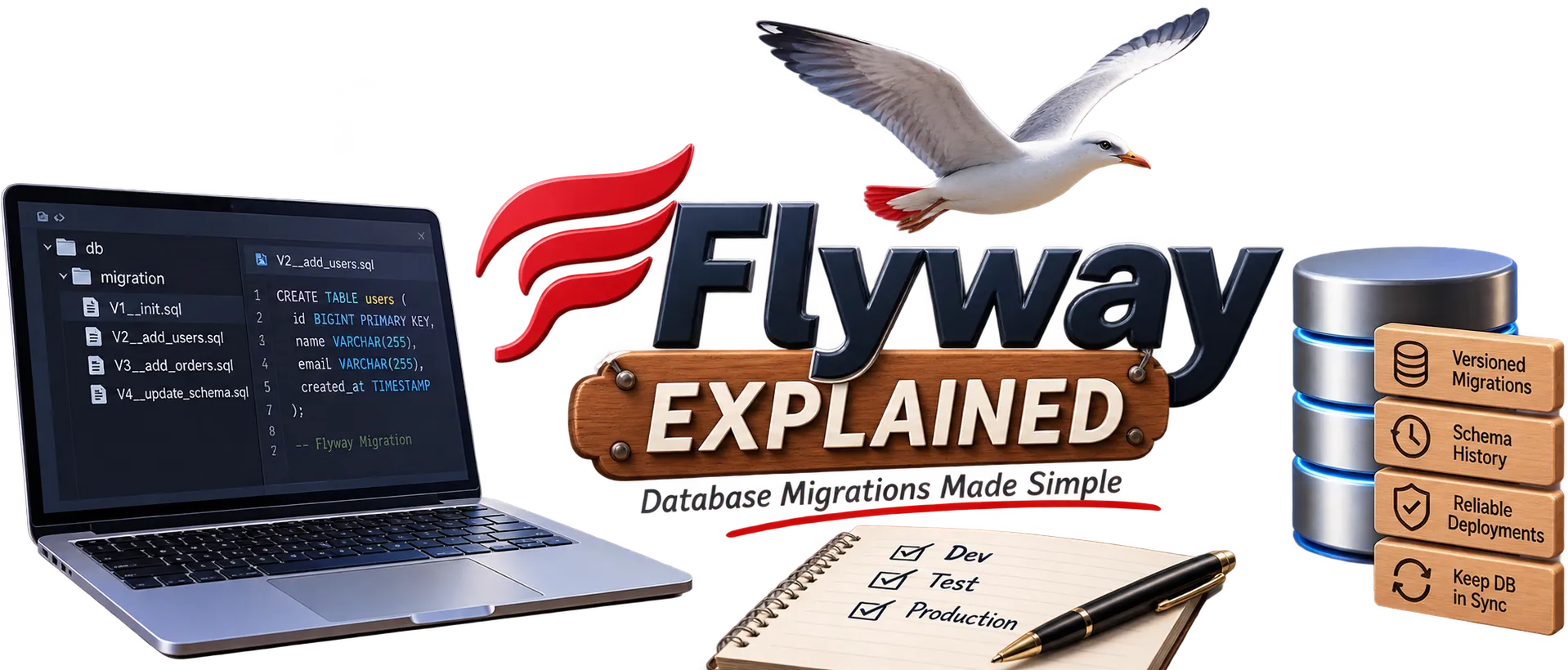 What is Flyway & How to Use It in Java, Express, and Python 5 min28 Aug 2026
 What is a URL? The Ultimate Guide with Real Examples 5 min24 Aug 2026
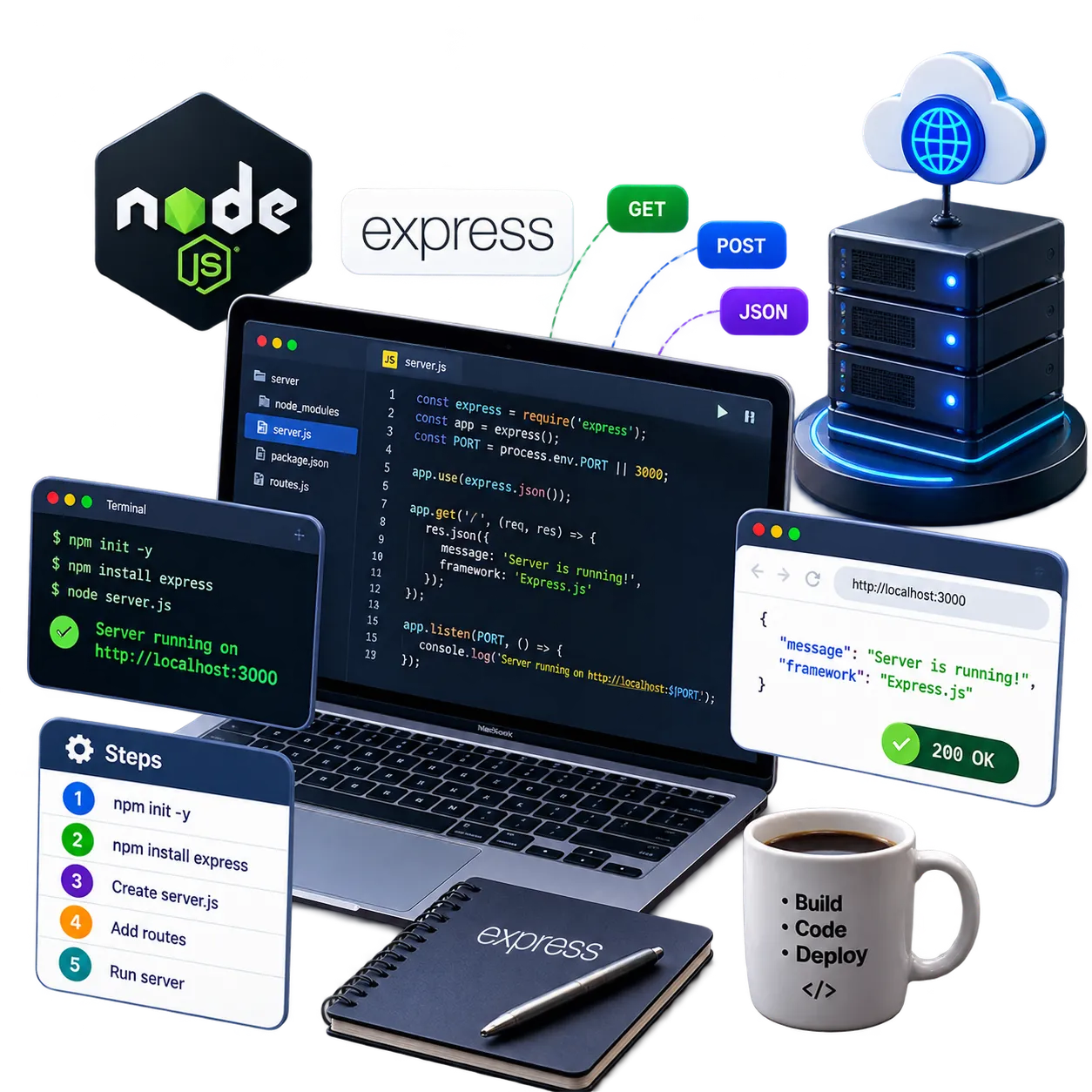 Creating Server with Express and HTTP Methods: A Practical Guide 5 min24 Aug 2026
Master sending mail using Nodemailer in Node.js. Configure pooled SMTP transports, design HTML templates, avoid event loop lag, and queue delivery in production.
Learn how to implement JWT authentication and refresh token rotation from scratch in Node.js using crypto and express, without relying on external libraries for the core logic.
TrendingUnderstand how the DOM works, why browser reflows slow down your web apps, and how React uses the Virtual DOM to optimize performance.
Learn what Flyway is and how to integrate this powerful database migration tool across Java, Express (Node.js), and Python applications with real-world examples.
Demystify the Uniform Resource Locator (URL). Learn what a URL is, how its components work, and see real-world examples explained by industry experts.
Learn how to build a robust Node.js server using Express.js. We cover setup, routing, and handling HTTP methods like GET, POST, PUT, and DELETE with clean code.