Himanshu Mudgal
Lead DevOps Engineer
Master the art of Forward Deployed Engineering. Bridge the gap between complex product engineering and enterprise client deployments with hands-on systems integration, custom API development, and hybrid-cloud infrastructure.

Deploying complex software inside restricted enterprise client environments requires a very different skill set than writing features inside an isolated product team. In this rigorous program, you will master Forward Deployed Engineering (FDE) Masterclass by building, integrating, and debugging end-to-end distributed systems that must run reliably inside messy, restricted client environments. Whether you are connecting modern cloud platforms to legacy mainframes or securing air-gapped container clusters, you will learn how to operate as a high-agency technical bridge between modern software and demanding enterprise stakeholders.
You will not be working with toy scripts or artificial sandboxes. Every week mimics the actual friction of a high-stakes client deployment, complete with strict network firewalls, unpredictable data schemas, and stringent security audits. By graduation, you will be fully prepared to step into elite field engineering roles that require both deep systems-level debugging and professional client-facing acumen.
Learning field engineering requires touching the entire infrastructure stack from the operating system up to the observability dashboard. Across the curriculum, you will build and deploy several production-grade deliverables:
This course is built specifically for working software engineers, backend developers, and DevOps professionals who want to transition into high-impact, client-facing engineering roles. If you already know how to write clean code in Python or Go, understand relational databases, and are comfortable navigating a Linux terminal, this program will teach you how to apply those skills in unpredictable enterprise settings.
It is not suited for absolute beginners who have never written production code or deployed a container. The pacing assumes you can read documentation, debug stack traces independently, and reason about network protocols under pressure.
All cohorts run online with live instruction, interactive architecture whiteboarding, and rigorous code reviews. You will work alongside experienced instructors who spend their days shipping production software for global enterprises. Sessions combine direct architectural briefings with hands-on labs where you deploy infrastructure, break things intentionally, and run live troubleshooting simulations.
You will also practice the art of technical discovery. FDEs spend significant time talking to client architects, translating vague business requirements into concrete system designs, and running blameless post-mortems after an incident. Our live sessions replicate these collaborative workshops so you build the confidence required for top-tier hiring loops.
Engineering teams at frontier companies like Palantir, Snowflake, Databricks, and high-growth B2B enterprise SaaS startups rely on forward deployed engineers to unblock multi-million-dollar contracts. These roles command top-of-market compensation because they demand a rare combination: deep distributed systems knowledge paired with exceptional communication skills.
Hiring loops for these positions typically test you across three distinct dimensions. First, your systems design capability—can you architect a secure hybrid cloud setup on the whiteboard? Second, your debugging speed—given a broken network trace or an obscure container crash loop, how fast can you isolate the root cause? Third, your stakeholder communication—can you explain a complex architectural bottleneck to a chief technology officer without getting bogged down in syntax?
To build a robust foundation before tackling advanced multi-region architectures, many learners pair this journey with our High Level System Design (HLD) course. If your daily work requires scaling container platforms or managing complex cloud migrations, exploring the Advanced AI-Driven Full-Stack Cloud Architect Program will give you complementary perspective on modern distributed backends. For those looking to handle massive datasets at scale alongside these deployments, reviewing the Data Engineering Bootcamp provides valuable extra practice in building robust pipelines.
Field engineering is where product code meets real-world constraints. If you are ready to move beyond building features in isolation and want to master the art of deploying robust, secure systems under pressure, review our syllabus details and join our upcoming cohort.

A structured curriculum with real tools and outcomes built for the workplace.
You can explain where an FDE sits between product, sales and the customer's own engineers, and what you are accountable for when a deployment stalls.
Hands-on project: Write a role charter for an FDE joining a data-platform vendor, covering escalation paths, what you own, what you refuse, and how success is measured in the first ninety days.
You can run a discovery workshop that surfaces the constraints that kill deployments, before you have written a line of integration code.
Hands-on project: Run a simulated discovery session against a difficult customer brief and produce a constraints register, integration map and a risk-ranked deployment plan.
You can diagnose a Linux host you have never seen before, on a customer network, without internet access and without root on the first attempt.
Hands-on project: Diagnose and fix three deliberately broken Linux hosts under restricted access, documenting each investigation as a customer-facing note.
You can trace a failing connection through proxies, firewalls and DNS in a customer network and say exactly where it dies.
Hands-on project: Given a broken connection across three network zones, produce a packet-level diagnosis and a remediation request the customer's network team will accept.
You can integrate a product with a customer's identity provider and explain the token flow well enough to satisfy their security review.
Hands-on project: Federate a demo application with two different identity providers, map group claims to application roles, and pass a mock security review.
You can ship a product as containers that run identically on a laptop, a customer VM and an air-gapped cluster.
Hands-on project: Package a three-service application into hardened, multi-architecture images with an offline installation bundle and verified checksums.
You can deploy and operate a product on a Kubernetes cluster you do not own, with limited permissions and no cluster-admin.
Hands-on project: Deploy a stateful application to a namespace-restricted cluster with resource quotas, then diagnose and fix three injected failures.
You can hand a customer code that stands their environment up from nothing, and prove it produces the same result twice.
Hands-on project: Write a Terraform module that provisions a complete customer environment, with remote state, drift detection and a documented teardown.
You can build a batch pipeline against a customer's real data, including the dirty parts, and make it restartable after it fails at three in the morning.
Hands-on project: Build an Airflow pipeline that ingests from a legacy SQL source into a warehouse, with schema drift handling, idempotent reruns and data quality gates.
You can stand up a streaming integration with ordering and delivery semantics you can explain to a customer architect without hand-waving.
Hands-on project: Build a CDC pipeline from PostgreSQL into Kafka with exactly-once sink semantics, schema evolution and a documented replay procedure.
You can write the glue service a deployment needs, to a standard you would be happy to hand to the customer's own engineers to maintain.
Hands-on project: Build a production integration service with typed contracts, authentication, rate limiting, retries, idempotency and an OpenAPI specification.
You can deploy into a regulated or disconnected environment and produce the evidence an auditor asks for.
Hands-on project: Produce a complete security package for an air-gapped deployment: threat model, data flow diagram, SBOM, scan results and an evidence index.
You can answer why the customer's instance is slow using only what their environment lets you collect.
Hands-on project: Instrument a deployed system with metrics, logs and traces, then diagnose an injected performance regression from the telemetry alone.
You can run an incident with a customer watching, and write the post-mortem that keeps the account.
Hands-on project: Run a simulated production incident with a hostile stakeholder, then deliver the written post-mortem and remediation commitments.
You can take a realistic enterprise customer from first discovery call to a signed-off production deployment, including the parts that go wrong.
Hands-on project: Onboard a simulated enterprise customer end to end: discovery and constraints register, network and identity integration, containerised deployment to a restricted cluster, batch and streaming data integration, custom API layer, security evidence package, observability, a live injected incident with post-mortem, and final acceptance sign-off defended to a panel.
Every instructor here ships production code for a living and teaches the same week they deploy.
5 learners sharing their experience
The Full-Stack Java developer program at Squarebrackets completely transformed my career. Learning Spring Boot and microservices architecture alongside React and Next.js gave me the exact modern stack companies are looking for. Building real-time projects using Apache Kafka and RabbitMQ for message queuing gave me the practical confidence I needed to ace my system design rounds.
Ankit transitioned from a legacy support engineer to a high-paying product development role after completing his 6-month intensive Java and JavaScript full-stack training at our Noida campus.

Squarebrackets took me from not knowing what a gradient was to building and deploying CNNs and Transformers. The maths-first approach made everything click, and the mentors pushed me through every hard concept.
Completed the Deep Learning Course at Squarebrackets and landed a deep learning role within two months.

Squarebrackets gave me the complete AI picture — from search algorithms and Bayesian reasoning to building LLM agents. The maths-first approach meant nothing was a black box, and the mentors pushed me through every project.
Completed the Artificial Intelligence Course at Squarebrackets and moved into an AI engineering role within two months.

The Java Full-Stack and DSA course at Squarebrackets completely changed my career trajectory. The focus on raw problem-solving with DSA alongside hands-on Spring Boot and React projects gave me the practical skills I needed. I went from struggling with basic coding rounds to cracking my technical interview with absolute confidence.
Aniket joined Squarebrackets as a college senior looking to transition from theoretical academic projects to production-ready software development. After completing our rigorous training program, he secured a placement as an Associate Software Engineer.
The live cohort broke down complex concepts like Spring Boot transaction management and React state handling in a way that made immediate sense for production work. Having worked through real backend architectures during class, my daily code reviews at work became much smoother.
Completed the Java Full Stack live training while balancing a full-time role, upgrading engineering skills through rigorous hands-on sessions.

“The Full-Stack Java developer program at Squarebrackets completely transformed my career. Learning Spring Boot and microservices architecture alongside React and Next.js gave me the exact modern stack companies are looking for. Building real-time projects using Apache Kafka and RabbitMQ for message queuing gave me the practical confidence I needed to ace my system design rounds.”

Software Engineer, Student
“Squarebrackets took me from not knowing what a gradient was to building and deploying CNNs and Transformers. The maths-first approach made everything click, and the mentors pushed me through every hard concept.”

Student
“Squarebrackets gave me the complete AI picture — from search algorithms and Bayesian reasoning to building LLM agents. The maths-first approach meant nothing was a black box, and the mentors pushed me through every project.”

Student
“The Java Full-Stack and DSA course at Squarebrackets completely changed my career trajectory. The focus on raw problem-solving with DSA alongside hands-on Spring Boot and React projects gave me the practical skills I needed. I went from struggling with basic coding rounds to cracking my technical interview with absolute confidence.”
Associate Software Engineer, Capgemini
“The live cohort broke down complex concepts like Spring Boot transaction management and React state handling in a way that made immediate sense for production work. Having worked through real backend architectures during class, my daily code reviews at work became much smoother.”

Student


Browse the common questions, or reach out and our team will help you directly.
6 courses in this collection
DevOps & Automation Bootcamp Beginner5 Months (20 Weeks)

Java Full Stack Bootcamp with DSA & System Design Beginner6 Months (24 Weeks)

Machine Learning Bootcamp Beginner4 Months (16 Weeks)
Cybersecurity (SOC OPS, Cloud Security) Beginner4 Months (16 Weeks)

Artificial Intelligence Bootcamp Beginner5 Months (20 Weeks)
MERN Bootcamp with Microservices DSA & System Design Beginner6 Months (24 Weeks)
Trending
Trending
Best seller
Best seller
Best seller
Best sellerHands-on programming tracks with runnable code, from fundamentals to job-ready projects.
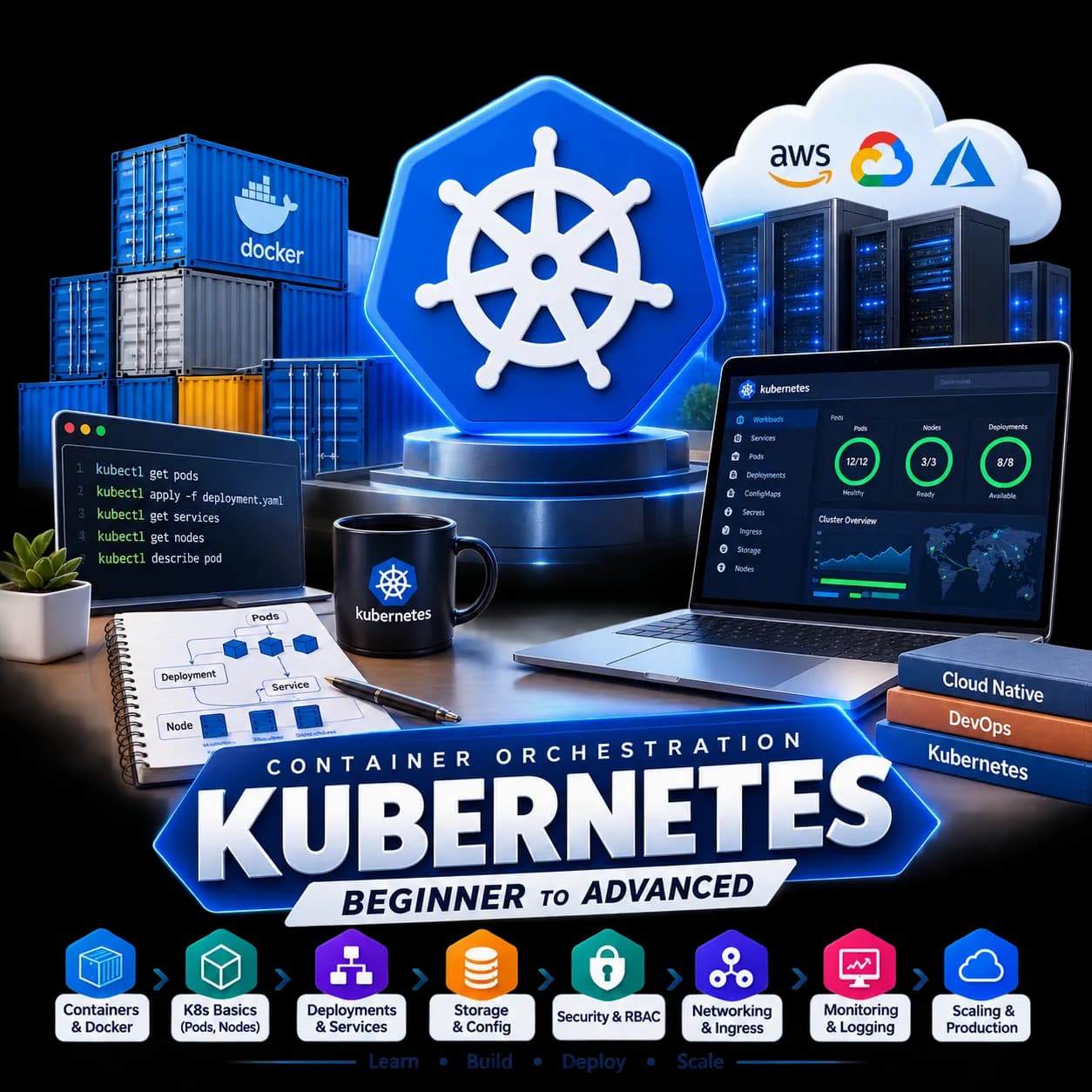
Kubernetes Beginner to Production Grade: A Hands-On DevOps Guide Beginner25 min

100 Days of DSA with Java Beginner to advanced100 days · 85 lessons published

100 Days of AI Engineering Beginner to advanced100 days · 57 lessons published

Articles to help you learn, grow, and get hired.
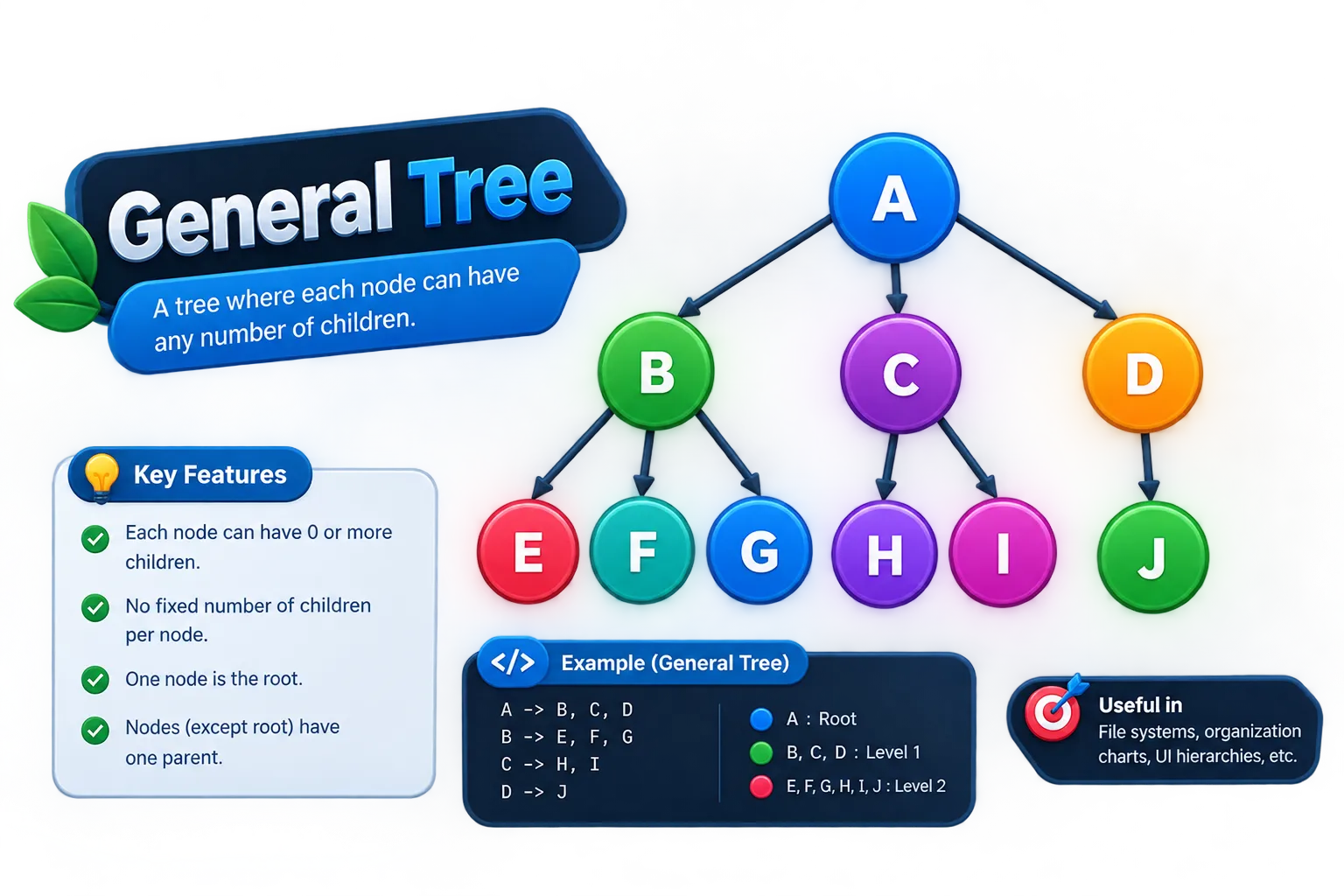
Generic Tree Interview Questions: Roadmap by Core Coding Techniques 5 min6 Sept 2026

DSA Roadmap: Master Algorithms Roadmap 5 min5 Sept 2026
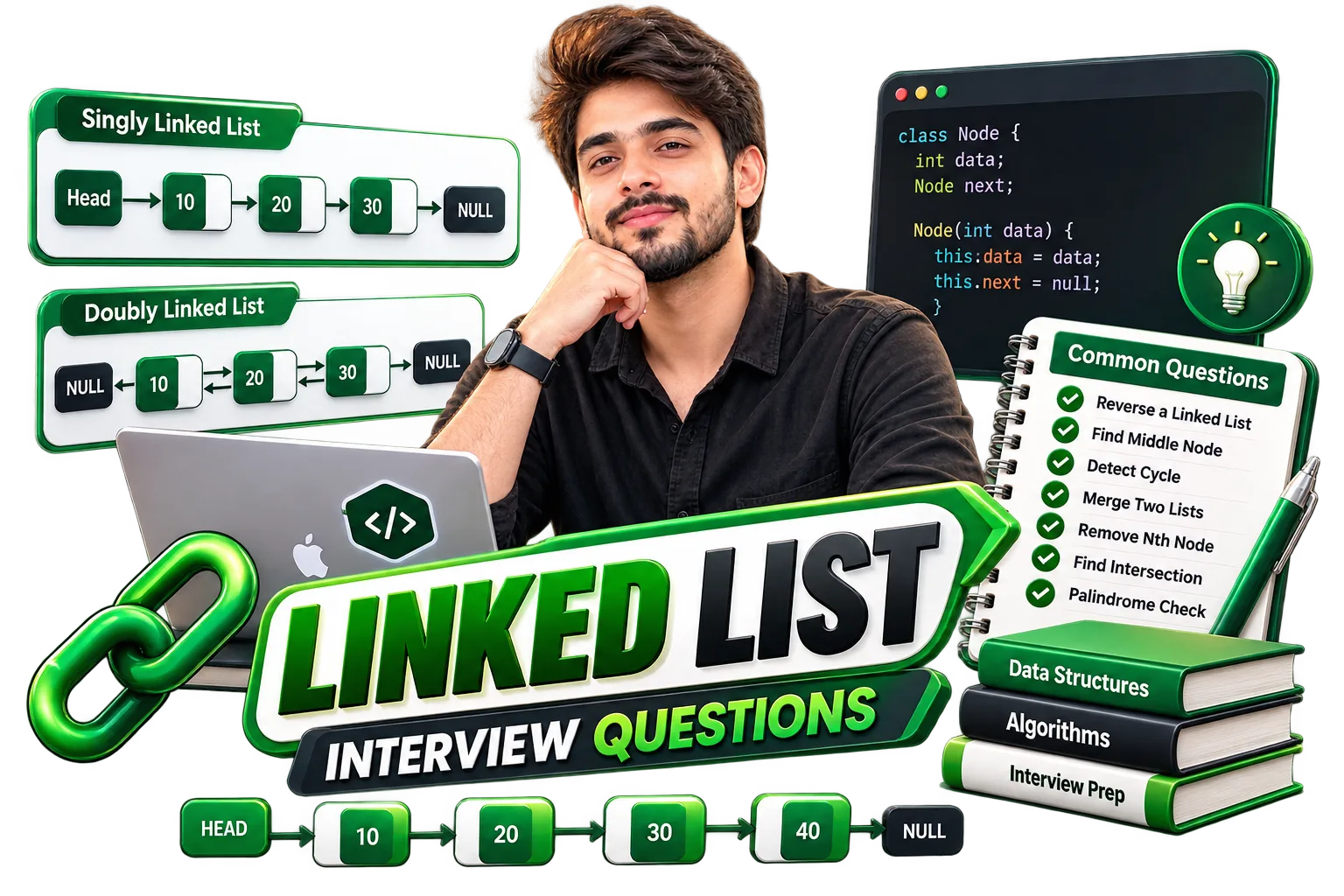
Linked List Placement Preparation Roadmap: 15 Patterns with LeetCode 5 min1 Sept 2026
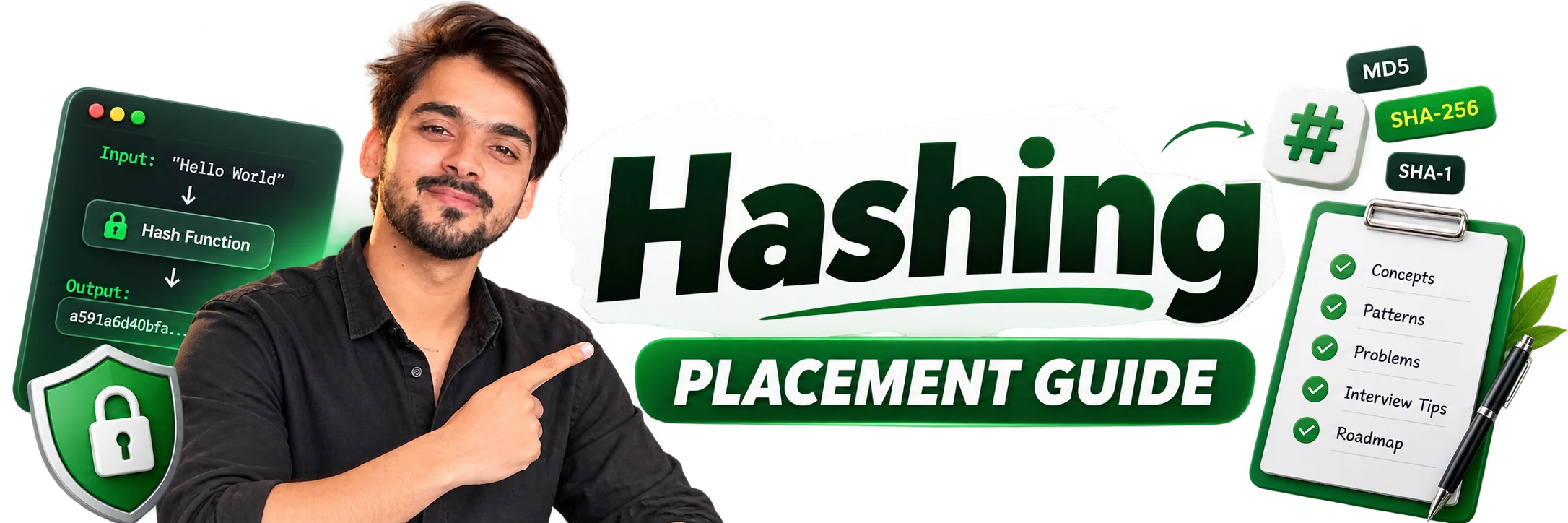
Hashing in DSA: What Tech Interviews Actually Ask 5 min30 Aug 2026
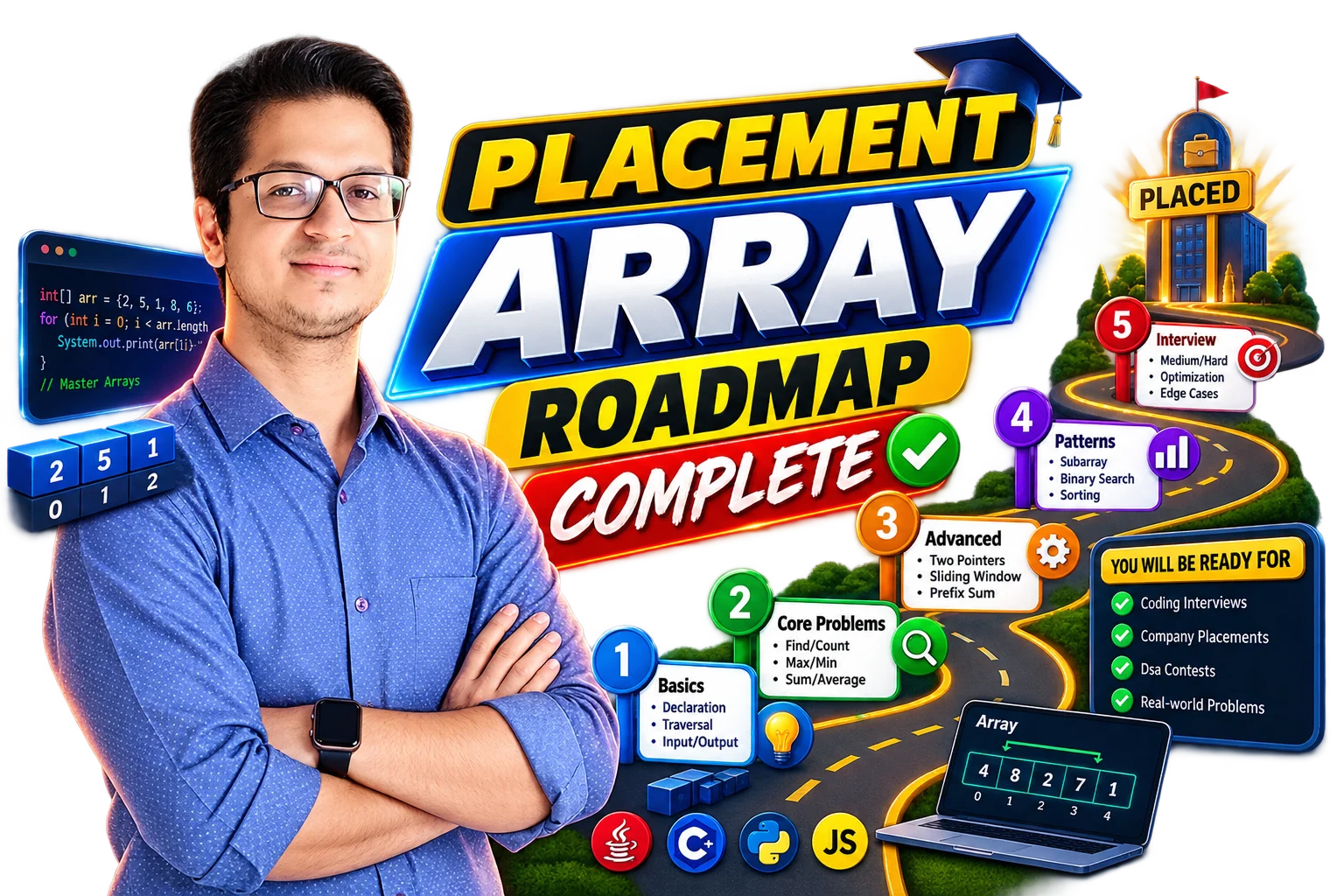
Placement Array Roadmap: The Ultimate Coding Interview Guide 5 min30 Aug 2026

TrendingMaster N-ary and generic tree interview questions. This technical roadmap breaks down traversal, serialization, and recursion techniques with real-world coding patterns.

The ultimate master algorithm roadmap for our DSA roadmap. Learn the core patterns, time complexities, and coding techniques you need to crack FAANG interviews.
TrendingMaster linked list interview questions with our 15-step placement preparation roadmap. Features pattern breakdowns, practical code, and direct LeetCode links.
TrendingMaster hashing, HashMaps, and Map data structures for tech interviews. Learn the exact patterns, code implementations, and LeetCode problems top companies ask.

Master the Placement Array Roadmap with this complete guide featuring curated LeetCode problems, categorized by difficulty, to help you crack technical interviews.