

Ravi Tyagi
Lead AI Engineer & Generative AI Systems Engineer
Master Microsoft Azure AI-102 with hands-on training in Azure OpenAI, Speech, Vision, and Language Services. Build production-ready AI solutions and pass the exam on your first attempt.
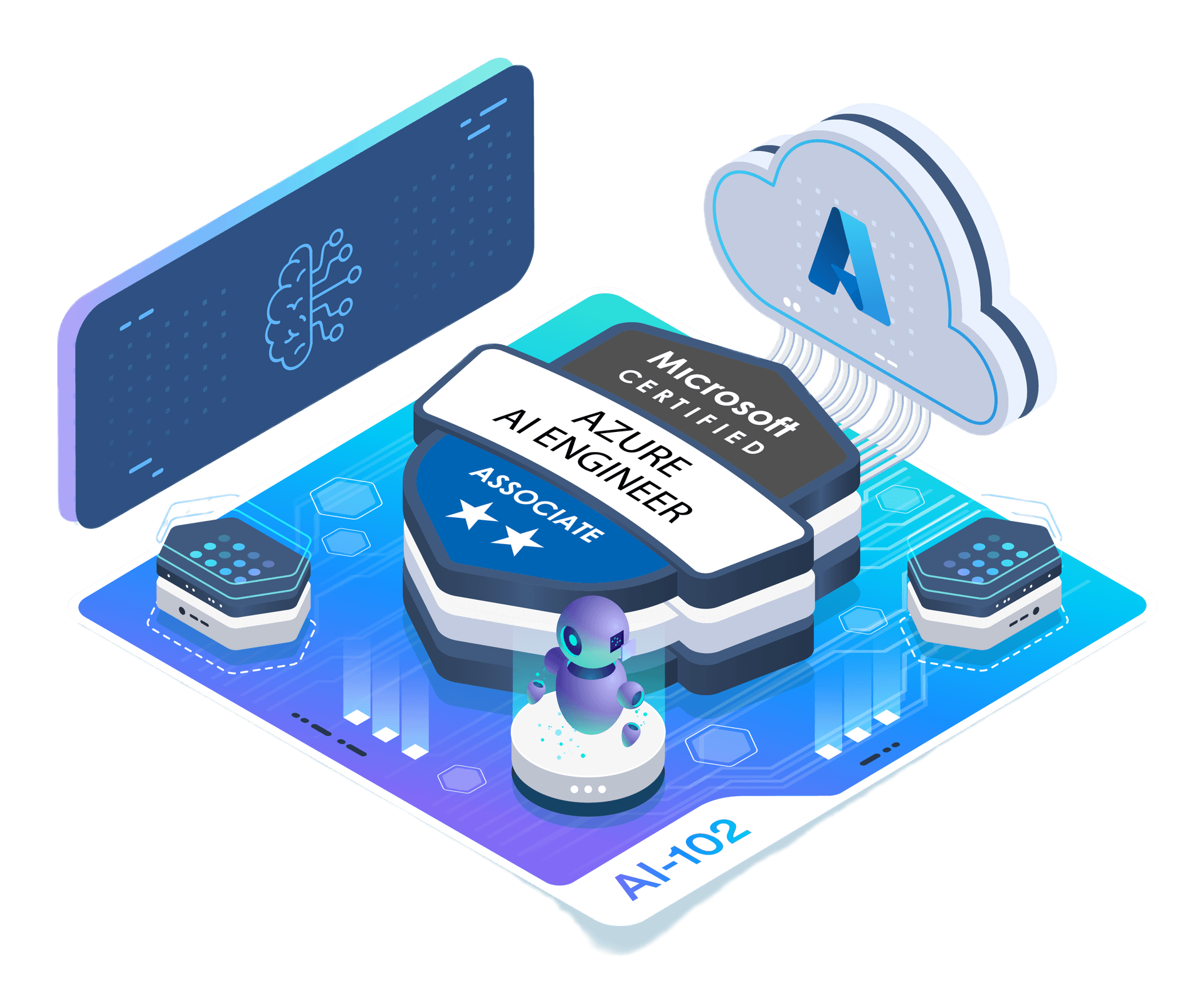
You will build, secure, and deploy production-grade cloud intelligence solutions using the Microsoft Azure AI Engineer Associate (AI-102) certification curriculum. Modern enterprises do not hire developers who only know how to make isolated API calls. They require engineers who can provision cognitive resources securely, configure private endpoints, handle token rate limits gracefully, and orchestrate search indexes under high concurrency. This hands-on program moves past surface-level tutorials. You will write actual Python and C# applications that consume cloud models, process multimodal data streams, and integrate cleanly into broader enterprise architectures. If you have already worked through fundamentals like the Microsoft Azure AI Fundamentals (AI-900 / AI-901) Certification Training, this course takes your cloud expertise directly into implementation.
Theory alone will not clear the certification exam or survive a production deployment. Throughout these ten weeks, you will build and test tangible deliverables on live Azure subscriptions:
This program is designed for software developers, backend engineers, and cloud practitioners who want to validate their skills on the official Microsoft path. You should possess a working familiarity with Python or C# and understand fundamental REST API mechanics. It is not an introductory programming bootcamp. We assume you can write loops, parse JSON payloads, and handle asynchronous exceptions. If you are moving up from general web stacks or transitioning into specialized cloud roles, this training provides the exact technical depth required by hiring managers across remote-first engineering teams and global product companies. For broader infrastructure foundations before specialising in AI, you might explore the Azure Cloud program, build foundational UI integrations with React JS with Gen AI, or prepare for infrastructure management through Microsoft Azure Solutions Architect AZ-305 Certification Training.
We believe that engineering is learned by building, not by watching slides. All sessions are conducted live online in interactive cohorts tailored to your timezone. Working engineers lead every module, walking you through real-world failure modes like HTTP 429 rate limiting on Azure OpenAI endpoints, expired access tokens, and index synchronization lags. Every class features live coding, architectural walkthroughs, and troubleshooting exercises. You get direct access to instructors during lab hours to debug your scripts, review your pull requests, and discuss architectural trade-offs. Recordings, complete code repositories, and architecture diagrams remain available to you for lifetime reference.
Engineering teams everywhere are racing to integrate generative AI and cognitive services into existing software suites. Backend roles that list Kafka or Kubernetes increasingly require competence in cloud AI orchestrations. Companies developing customer service automation, intelligent document processing, and enterprise search need engineers who understand data privacy, model monitoring, and cost governance on cloud platforms. Passing the AI-102 exam signals to hiring loops that you know how to build secure, scalable AI solutions rather than experimental toys. Many graduates pair this credential with advanced architecture tracks like the Microsoft Azure AI-500 Certification Course, expand into full-stack AI architectures via the Generative AI Course or the MERN Stack with Microservices & Gen AI program, or explore alternative frontend frameworks through Vue JS with Gen AI. You can also master advanced agentic systems by exploring the Production-Grade Generative AI and Agentic AI Engineer Program.
Mastering cloud intelligence requires consistent practice against real production constraints. Secure your spot in our upcoming batch, spin up your assigned development sandbox, and take full control of your engineering career with the Microsoft Azure AI Engineer Associate (AI-102) certification path today.
A structured curriculum with real tools and outcomes built for the workplace.
You can provision cognitive resources securely, isolate networks, and manage credentials using Managed Identities and Azure Key Vault.
Hands-on project: Provision an Azure OpenAI resource using Terraform or Azure CLI, wire its keys to Azure Key Vault, and lock down access using a private endpoint in a dedicated VNet.
You can extract bounding boxes, read multi-line text from images, and train custom image classifiers using Azure AI Vision.
Hands-on project: Build a Python command-line utility that processes a batch of store receipt images using the Read API, extracts line items, and exports structured JSON.
You can extract key-value pairs, tables, and unstructured text from complex multi-page invoices and financial reports.
Hands-on project: Deploy an Azure Function triggered by Blob Storage uploads that automatically parses incoming multi-page vendor invoices using Document Intelligence and pushes data to a PostgreSQL table.
You can analyze sentiment, extract entities, translate text, and filter toxic user inputs using Azure Language and Content Safety services.
Hands-on project: Implement a content moderation filter middleware in Python that screens incoming chat messages for hate speech and PII before forwarding them to downstream storage.
You can transcribe audio streams, synthesize natural neural voices, and implement speaker verification workflows.
Hands-on project: Build an audio transcription script that reads long WAV meeting recordings, generates speaker-separated transcripts, and saves structured summaries.
You can build enterprise search indexes featuring vector embeddings, semantic reranking, and automated skillsets.
Hands-on project: Configure an Azure AI Search index over a collection of technical manuals, enabling hybrid search and semantic reranking with Python ingestion scripts.
You can deploy LLMs, engineer prompts, implement RAG architectures, and handle rate-limiting thresholds in production.
Hands-on project: Build a RAG query application using Azure OpenAI GPT-4 and Azure AI Search that answers technical support questions referencing private company PDFs without hallucination.
You can design and deploy intelligent bots integrated with Azure OpenAI and Language understanding models.
Hands-on project: Develop a multi-turn conversational bot using the Bot Framework SDK connected to Azure OpenAI, capable of executing function calls and handing off to human agents.
You can automate infrastructure deployment and model rollouts using GitHub Actions and Azure DevOps pipelines.
Hands-on project: Write a multi-stage GitHub Actions YAML workflow that validates Bicep templates, runs automated test suites against Azure OpenAI endpoints, and deploys infrastructure.
You can configure comprehensive telemetry tracking, token usage alerts, and performance diagnostics in production.
Hands-on project: Set up an Azure Monitor workbook tracking latency percentiles, token consumption rates, and error frequencies for a deployed Azure OpenAI endpoint.
You can enforce data privacy, role-based access control, and content filtering aligned with enterprise compliance standards.
Hands-on project: Configure Azure Policy definitions enforcing data residency constraints and restrict cognitive service access using Private DNS zones.
You can optimize cloud expenditure, scale inference endpoints dynamically, and handle high-volume traffic efficiently.
Hands-on project: Implement an autoscale rule on an Azure Container Instance hosting a custom AI model based on CPU and request queue depth metrics.
You can architect, secure, test, and deploy a complete production-grade AI system on Azure meeting enterprise standards.
Hands-on project: Deploy a complete multi-modal customer support portal that ingests scanned documents, indexes them in Azure AI Search, answers questions via Azure OpenAI, and logs telemetry to Application Insights.
Every instructor here ships production code for a living and teaches the same week they deploy.
5 learners sharing their experience

The Full-Stack Java developer program at Squarebrackets completely transformed my career. Learning Spring Boot and microservices architecture alongside React and Next.js gave me the exact modern stack companies are looking for. Building real-time projects using Apache Kafka and RabbitMQ for message queuing gave me the practical confidence I needed to ace my system design rounds.
Ankit transitioned from a legacy support engineer to a high-paying product development role after completing his 6-month intensive Java and JavaScript full-stack training at our Noida campus.

Squarebrackets took me from not knowing what a gradient was to building and deploying CNNs and Transformers. The maths-first approach made everything click, and the mentors pushed me through every hard concept.
Completed the Deep Learning Course at Squarebrackets and landed a deep learning role within two months.

Squarebrackets gave me the complete AI picture — from search algorithms and Bayesian reasoning to building LLM agents. The maths-first approach meant nothing was a black box, and the mentors pushed me through every project.
Completed the Artificial Intelligence Course at Squarebrackets and moved into an AI engineering role within two months.

The Java Full-Stack and DSA course at Squarebrackets completely changed my career trajectory. The focus on raw problem-solving with DSA alongside hands-on Spring Boot and React projects gave me the practical skills I needed. I went from struggling with basic coding rounds to cracking my technical interview with absolute confidence.
Aniket joined Squarebrackets as a college senior looking to transition from theoretical academic projects to production-ready software development. After completing our rigorous training program, he secured a placement as an Associate Software Engineer.
The live cohort broke down complex concepts like Spring Boot transaction management and React state handling in a way that made immediate sense for production work. Having worked through real backend architectures during class, my daily code reviews at work became much smoother.
Completed the Java Full Stack live training while balancing a full-time role, upgrading engineering skills through rigorous hands-on sessions.

“The Full-Stack Java developer program at Squarebrackets completely transformed my career. Learning Spring Boot and microservices architecture alongside React and Next.js gave me the exact modern stack companies are looking for. Building real-time projects using Apache Kafka and RabbitMQ for message queuing gave me the practical confidence I needed to ace my system design rounds.”

Software Engineer, Student
“Squarebrackets took me from not knowing what a gradient was to building and deploying CNNs and Transformers. The maths-first approach made everything click, and the mentors pushed me through every hard concept.”

Student
“Squarebrackets gave me the complete AI picture — from search algorithms and Bayesian reasoning to building LLM agents. The maths-first approach meant nothing was a black box, and the mentors pushed me through every project.”

Student
“The Java Full-Stack and DSA course at Squarebrackets completely changed my career trajectory. The focus on raw problem-solving with DSA alongside hands-on Spring Boot and React projects gave me the practical skills I needed. I went from struggling with basic coding rounds to cracking my technical interview with absolute confidence.”
Associate Software Engineer, Capgemini
“The live cohort broke down complex concepts like Spring Boot transaction management and React state handling in a way that made immediate sense for production work. Having worked through real backend architectures during class, my daily code reviews at work became much smoother.”

Student


Browse the common questions, or reach out and our team will help you directly.
3 courses in this collection
Microsoft Azure DevOps Solutions Architect (AZ-400) Beginner12 weeks
Microsoft Azure Solutions Architect AZ-305 Certification Training Beginner12 weeks
Microsoft Azure AI-500 Certification Course Beginner14 weeks
Best seller
Best seller
Best sellerHands-on programming tracks with runnable code, from fundamentals to job-ready projects.
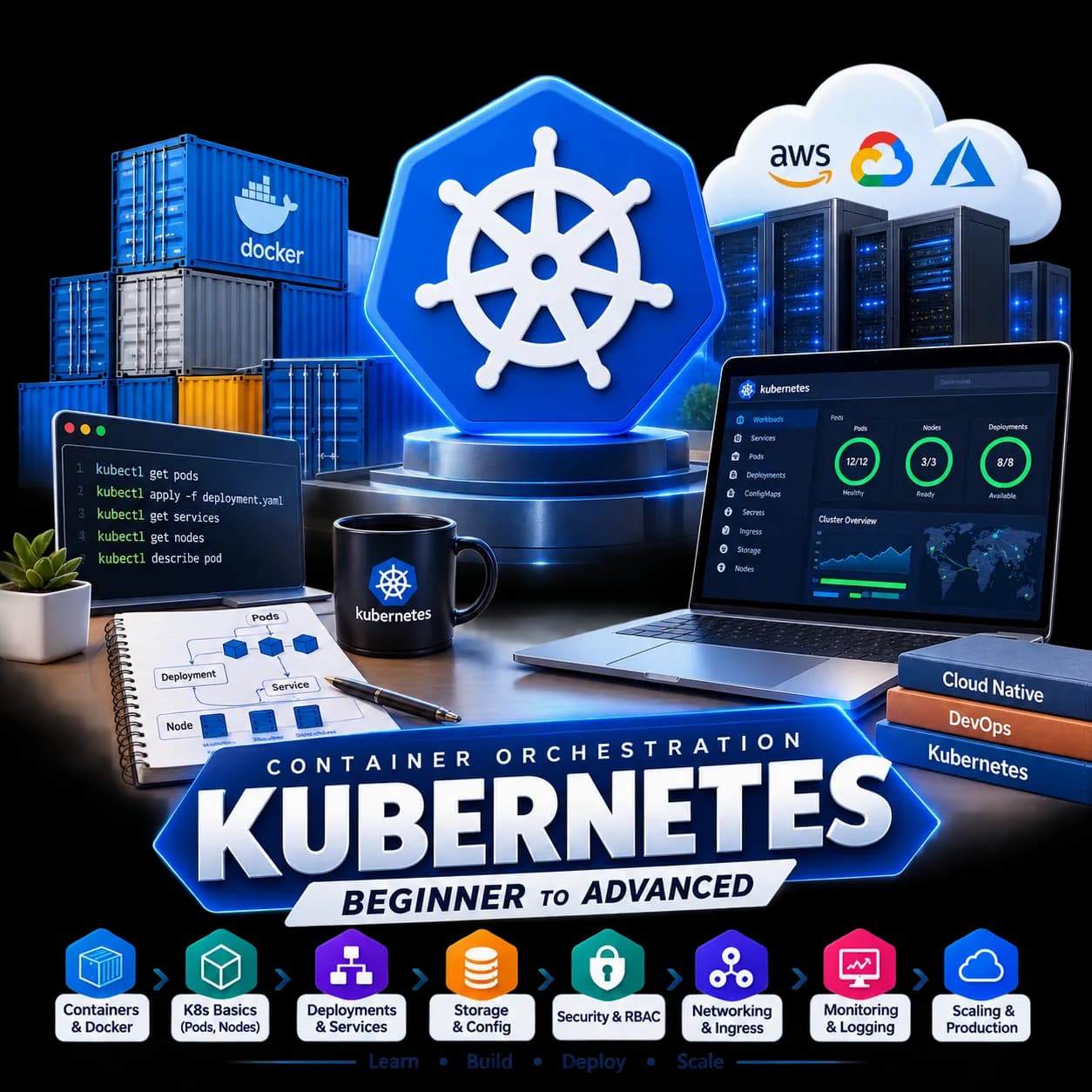
Kubernetes Beginner to Production Grade: A Hands-On DevOps Guide Beginner25 min
100 Days of DSA with Java Beginner to advanced100 days · 85 lessons published

100 Days of AI Engineering Beginner to advanced100 days · 57 lessons published


Articles to help you learn, grow, and get hired.
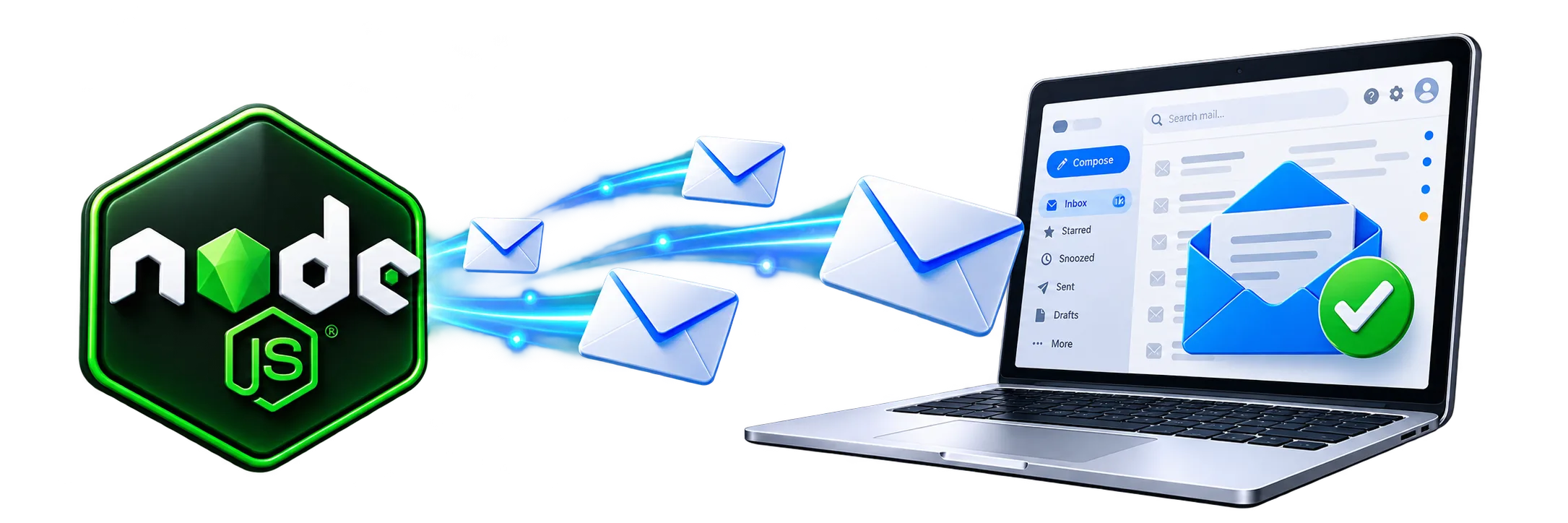
Sending Mail Using Nodemailer: A Production Engineering Guide 5 min22 Oct 2026RabbitMQ with Node.js: Practical Message Queue Guide 5 min15 Oct 2026

Modern Java New Features: From Records to Virtual Threads 5 min12 Oct 2026
JWT Token from Scratch in Node.js: Step-by-Step Guide 5 min8 Oct 2026
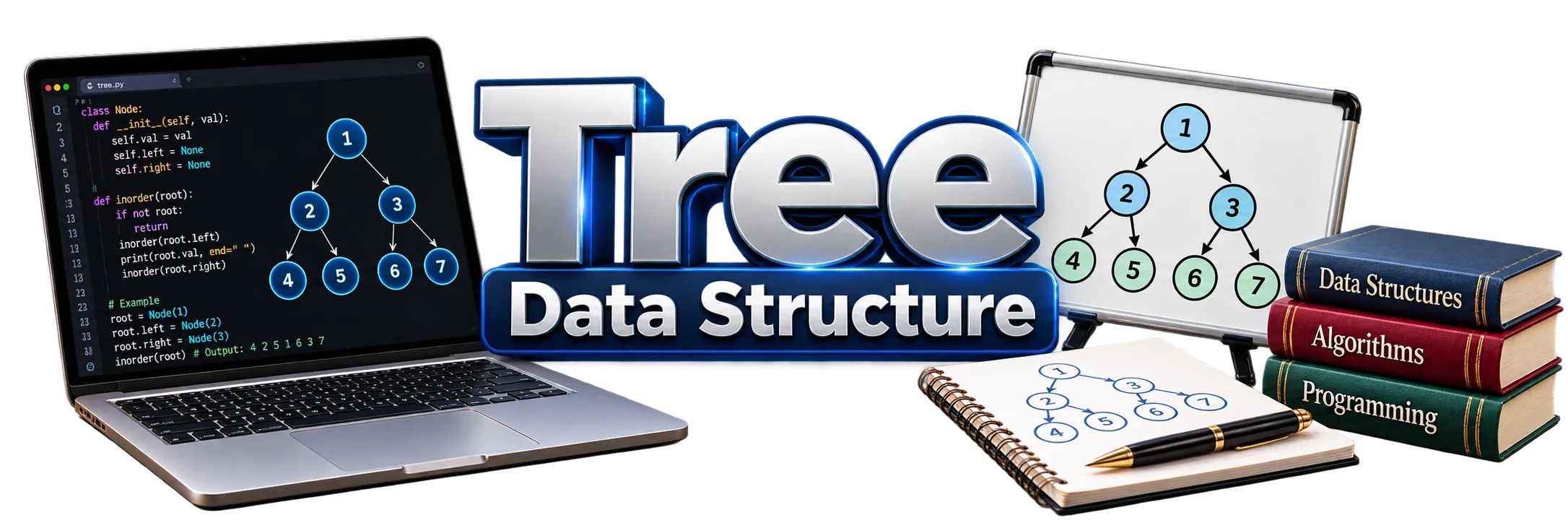
Tree Data Structure Explained: Types and Real-World Use Cases 5 min6 Oct 2026
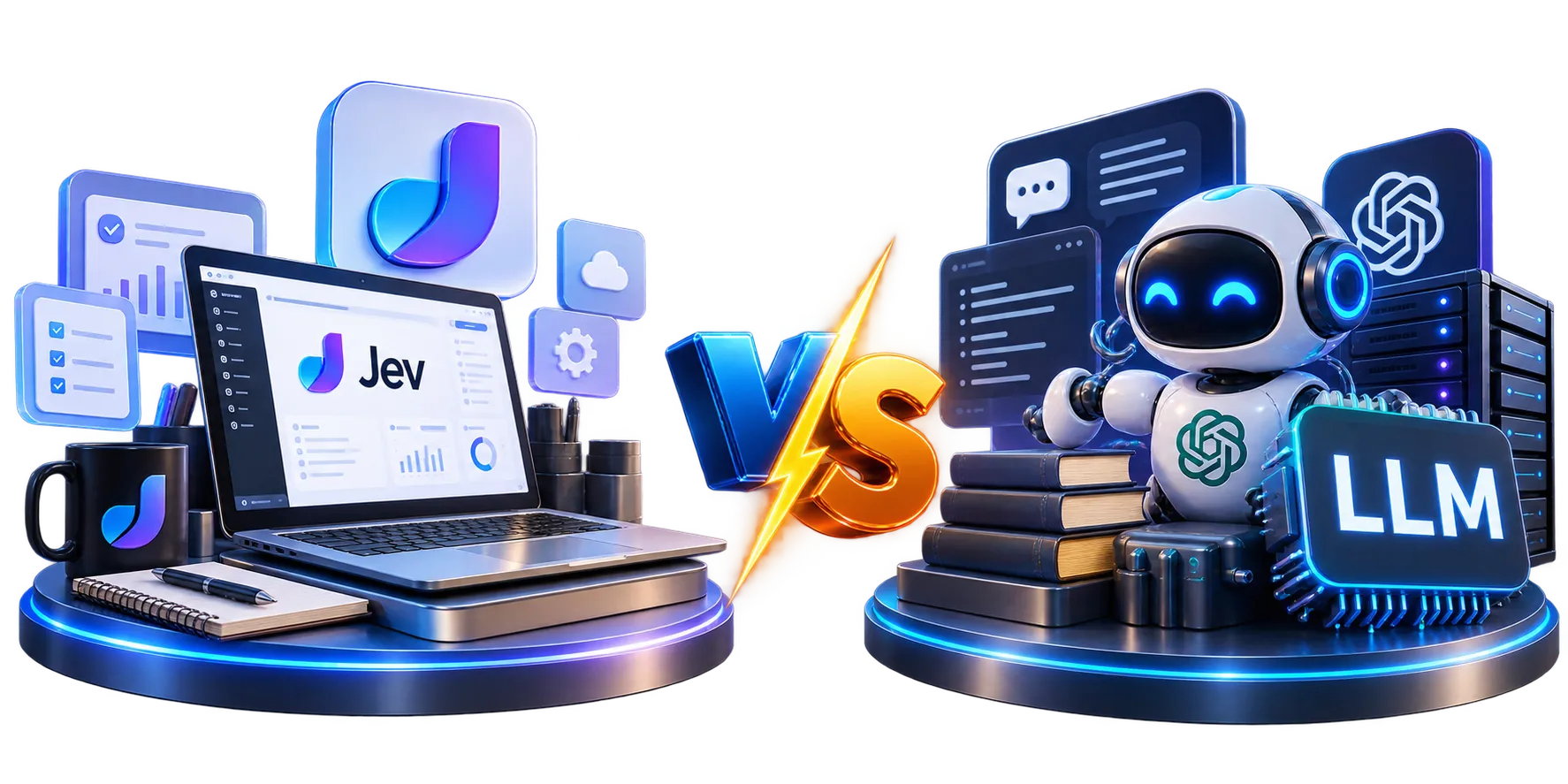
What is JEV and How Is It Different from LLMs? 5 min3 Oct 2026
Master sending mail using Nodemailer in Node.js. Configure pooled SMTP transports, design HTML templates, avoid event loop lag, and queue delivery in production.
Learn how to connect RabbitMQ with Node.js using amqplib. Build a reliable message producer and consumer with real-world error handling and production patterns.

Explore modern Java new features across Java 17 and Java 21 LTS releases. Learn how records, pattern matching, virtual threads, and sequenced collections work in production systems.

Learn how to implement JWT authentication and refresh token rotation from scratch in Node.js using crypto and express, without relying on external libraries for the core logic.

Understand tree data structures, their different types, segment trees, and real-world software engineering use cases from database indexing to range queries.
TrendingDiscover JEV, how it differs fundamentally from Large Language Models, and when to use each for enterprise architectures.