Forward Deployed Engineer Training prepares you to bridge product engineering, infrastructure plumbing, and direct client software delivery. In this live online course, you will build and ship production software inside air-gapped enterprise customer networks, integrate legacy data feeds, and diagnose live distributed failures under customer observation. By the end of this program, you will be able to construct resilient integration microservices in Go 1.22 and Python 3.11, deploy containerised platforms via Helm 3 onto hardened Kubernetes clusters, wire enterprise OIDC and SAML authentication, and author automated data sync pipelines using Apache Airflow.
Most backend developers write features for an internal SaaS environment that they control from end to end. If a database query spikes, they log into their AWS console, adjust an RDS parameter group, and re-deploy. Forward Deployed Engineers (FDEs) do not have that luxury. You are dropped directly into a customer's sovereign cloud, a private virtual private cloud (VPC), or an on-premise data center protected by restrictive proxy rules, custom TLS certificates, and legacy databases. You write the missing adapters, fix deployment manifests on the fly, and guarantee that complex software runs within environments designed to keep outsiders out.
Core Production Deliverables in Forward Deployed Engineer Training
During this program, you do not write toy scripts or read abstract architectural diagrams. You work across seven technical modules and build production artifacts that reflect real field engagements. Here are the core deliverables you will construct, test, and ship:
- Air-gapped Kubernetes distribution bundles: You package a multi-service platform using Helm 3 and Kustomize overlays. You then bundle every dependency, third-party database, and container image into an offline tarball using Docker and push it to a private Harbor registry inside an egress-blocked virtual machine cluster.
- Resilient Go 1.22 protocol adapters: You author low-latency reverse proxies and data translators that ingest malformed XML dumps and synchronous client SOAP endpoints, transform them into strongly typed JSON payloads, and forward them with circuit breaking, adaptive rate limiting, and exponential backoff.
- Enterprise Identity Provider (IdP) federations: You configure Keycloak to simulate enterprise Active Directory and Okta environments, wiring OpenID Connect (OIDC) and SAML 2.0 flows into an API gateway with cryptographic JWT validation and RBAC role mapping.
- HashiCorp Vault secret injection pipelines: You set up Vault Agent Injector in Kubernetes to dynamically issue ephemeral database credentials and TLS certificates to client workloads, removing static keys from repository histories.
- Batch ETL and schema synchronization engines: You write Apache Airflow DAGs with Python 3.11 that extract data from PostgreSQL 16 databases, reconcile schema drift, handle null fields, and populate target analytical stores without locking transactional tables.
- Telemetry stacks for foreign infrastructure: You spin up Prometheus Operator and Grafana with OpenTelemetry exporters inside isolated clusters, creating custom dashboards and Alertmanager rules for client SRE teams.
- Field diagnostics runbooks and packet captures: You use tcpdump and Wireshark to isolate dropped TCP SYN packets across firewalls, trace blocking system calls using strace, and profile Go heap allocations using pprof during simulated high-throughput incidents.
- The 48-hour client onboarding capstone: You deploy an entire enterprise platform into an unconfigured, isolated client network, debug intentionally broken network routing and database permissions, and lead a live handoff presentation to a panel of engineering evaluators.
Overcoming Air-Gapped and Restricted-Egress Constraints
Software delivery changes completely when your deployment target has no connection to the public internet. If a deployment script attempts to pull an image from Docker Hub or install an npm package at runtime, the installation halts immediately. You learn how to structure multi-stage container builds from scratch. If you have not yet mastered container internals, our foundational Docker training walks through base image pruning and layer caching. To expand your scope into full-stack deployments or agentic automation, check out the comprehensive Advanced AI-Driven Full-Stack Cloud Architect Program or learn how autonomous systems interact through the Forward Deployed Engineering (FDE) Masterclass.
Think of an air-gapped installation like packing supplies for an expedition to an isolated research station in Antarctica. If you arrive and discover you forgot a single specific bolt, you cannot order one online; your entire mission stops until the next supply plane arrives six months later. In enterprise software delivery, that missing bolt is a missing shared library or an untagged init container image. We teach you how to assemble deterministic offline deployment bundles where every dependency, base image, and Helm chart value file is sealed, cryptographically verified, and ready for local distribution.
Hardening Kubernetes for Strict Enterprise Compliance
Enterprise platform teams enforce strict Kubernetes policies that reject ordinary manifests. If your Helm chart specifies root containers, default service accounts, or missing resource quotas, the cluster's admission controllers will immediately block the deployment. If you need to build deeper skills in multi-cluster networking, RBAC policies, and ingress controllers, explore our Kubernetes beginner to advanced course before tackling complex on-prem topologies.
In this training, you configure Pod Security Standards, run unprivileged rootless workloads, mount read-only filesystems, and write custom network policies that isolate inter-service traffic. You also learn how to debug common Kubernetes failure states: resolving CrashLoopBackOff caused by missing ConfigMap keys, fixing persistent volume claim (PVC) binding timeouts on custom CSI drivers, and configuring egress proxies so pods can reach customer legacy backends without violating local firewall configurations.
Building Custom Middleware and Handling Legacy Integrations
Product teams build software against clean, modern REST or gRPC specifications. In the real enterprise field, client systems often run decade-old relational databases, emit unvalidated CSV exports via SFTP, or demand integration via archaic SOAP protocols. Forward deployed engineers write the connective tissue that makes these incompatible systems work together reliably without requiring central product teams to modify their core codebase.
You write microservices in Go 1.22 that ingest streaming socket data, perform transactional deduplication with Redis idempotency keys, and push verified events into Apache Kafka. You learn how to write defensive parsers that log schema mutations without crashing, how to construct dead-letter queues to catch toxic payloads, and how to verify cryptographic HMAC signatures on customer webhooks to prevent replay attacks.
Who This Training Suits
This program is designed for software engineers who want to move away from purely internal backlogs and operate at the sharp edge where engineering meets deployment reality:
- Backend developers who want to expand their skills into systems integration, Linux networking, distributed systems, and direct customer architecture delivery.
- DevOps engineers and SREs who want to write more production integration code, build custom application proxies, and take technical ownership of client software launches.
- Solutions architects and technical consultants who need hands-on coding and infrastructure debugging depth to author real deployment runbooks rather than theoretical slide presentations.
- Systems engineers preparing for FDE, Customer Engineer, or Solutions Engineer interview loops at high-growth enterprise software vendors, AI infrastructure startups, and systems integrators.
This course is not suitable for absolute beginners. You should already be comfortable writing code in at least one backend language (such as Python, Go, Java, or JavaScript), running fundamental Linux terminal commands, and interacting with Git repositories.
How Live Online Sessions Run
We run our cohorts live online across timezone-friendly batches so working developers anywhere in the world can participate without disrupting their working schedules. Every session is led by a working practitioner who actively deploys enterprise platforms in production. You will never sit through hours of recorded slides; sessions focus on interactive terminal demonstrations, architectural trade-off discussions, and collaborative live debugging.
Between live classes, you work on your own repositories and submit pull requests for code reviews. Mentors inspect your Helm charts, examine your Go middleware architectures, and audit your Airflow DAGs. You will also participate in live field simulation labs: instructors inject real network packet drops, corrupt TLS certificates, and revoke database permissions inside your sandbox environments, challenging you to diagnose the root cause using tools like Wireshark and strace before presenting an incident post-mortem.
The Job Market for Forward Deployed Engineers
Forward Deployed Engineering has emerged as one of the most critical roles across enterprise SaaS companies, AI infrastructure startups, and global systems consultancies. As enterprise products become more technically sophisticated, companies can no longer rely on non-technical account managers to onboard major enterprise accounts. They need engineers who can review client VPC designs, write integration code alongside the customer's staff engineers, and resolve deployment bugs on the spot.
Hiring loops for these roles reflect this dual responsibility. Technical rounds test deep systems knowledge: socket connections, TCP handshakes, TLS certificate chains, Kubernetes scheduling, and live debugging under time constraints. Evaluators also assess your ability to communicate complex trade-offs to enterprise architects without hiding behind jargon. If you want to expand into full cloud infrastructure automation and CI/CD pipelines alongside your field engineering skills, consider pairing this track with our advanced DevOps training.
Enroll in Forward Deployed Engineer Training today, join our next live online cohort, and acquire the hands-on engineering skills required to ship resilient enterprise software in any customer environment.











 Docker Tutorial — Learn Docker from Scratch | Squarebrackets Intermediate15 Hours
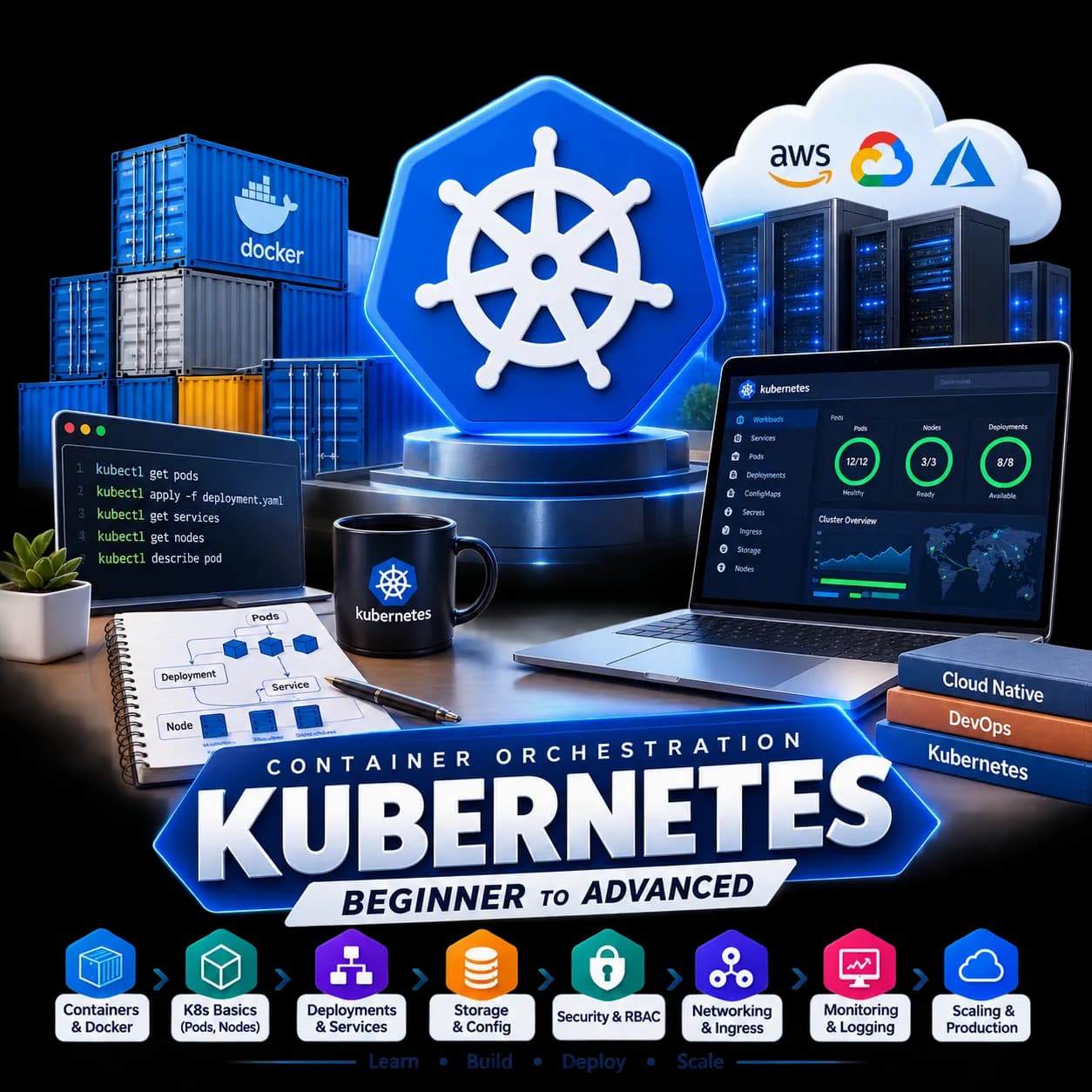 Kubernetes Beginner to Production Grade: A Hands-On DevOps Guide Beginner25 min
 100 Days of DSA with Java Beginner to advanced100 days · 85 lessons published
 100 Days of AI Engineering Beginner to advanced100 days · 57 lessons published
 Modern Java New Features: From Records to Virtual Threads 5 min12 Oct 2026
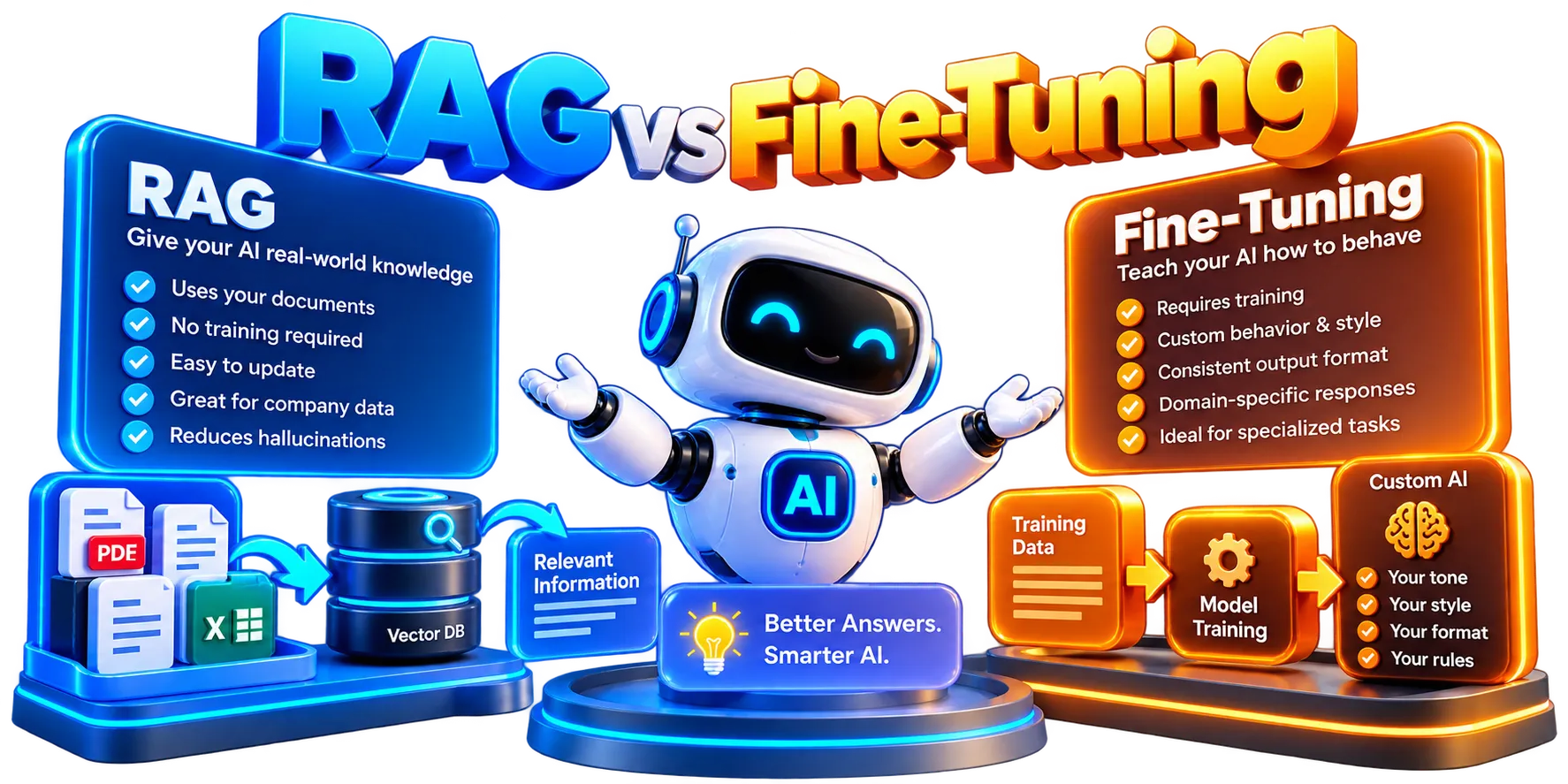 RAG and Fine Tuning Explained: How to Choose for Enterprise LLMs 5 min21 Sept 2026
 Sending Mail Using Nodemailer: A Production Engineering Guide 5 min22 Oct 2026RabbitMQ with Node.js: Practical Message Queue Guide 5 min15 Oct 2026
 JWT Token from Scratch in Node.js: Step-by-Step Guide 5 min8 Oct 2026
 Tree Data Structure Explained: Types and Real-World Use Cases 5 min6 Oct 2026