


Swati Tyagi
Senior Full Stack and Mobile App Developer
Master Artificial Intelligence from the maths and logic up to deep learning, generative AI, LLMs, reinforcement learning and autonomous agents — with 15+ real projects, mentorship and career support at Squarebrackets.

A structured curriculum with real tools and outcomes built for the workplace.
Every instructor here ships production code for a living and teaches the same week they deploy.
5 learners sharing their experience






Browse the common questions, or reach out and our team will help you directly.
6 courses in this collection
 GitHub Copilot Mastery: GH-300 & GH-600 Certification Program Beginner12 Weeks (93 Hours)
 Agentic AI Software Engineering: Build & Deploy Production Agents Beginner12 Weeks
 Machine Learning Intermediate6 Months
 Data Science Advanced6 Months
 Deep Learning Advanced6 Months
 Generative AI Course Advanced6 Months (24 Weeks)Best sellerBest seller
 Trending
 Trending
 Trending
 New
Hands-on programming tracks with runnable code, from fundamentals to job-ready projects.
 Docker Tutorial — Learn Docker from Scratch | Squarebrackets Intermediate15 Hours
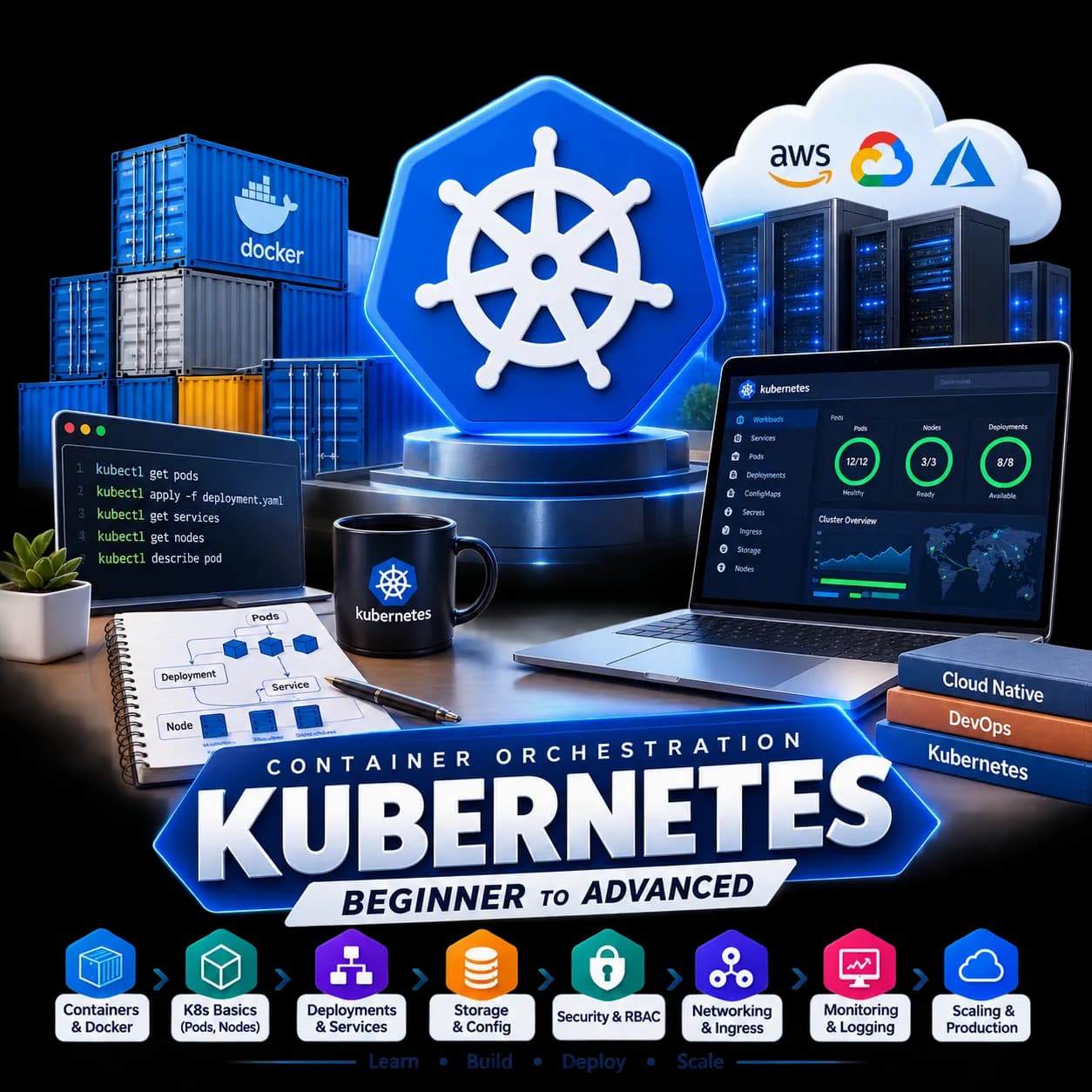 Kubernetes Beginner to Production Grade: A Hands-On DevOps Guide Beginner25 min
 100 Days of DSA with Java Beginner to advanced100 days · 85 lessons published
 100 Days of AI Engineering Beginner to advanced100 days · 57 lessons published
Articles to help you learn, grow, and get hired.
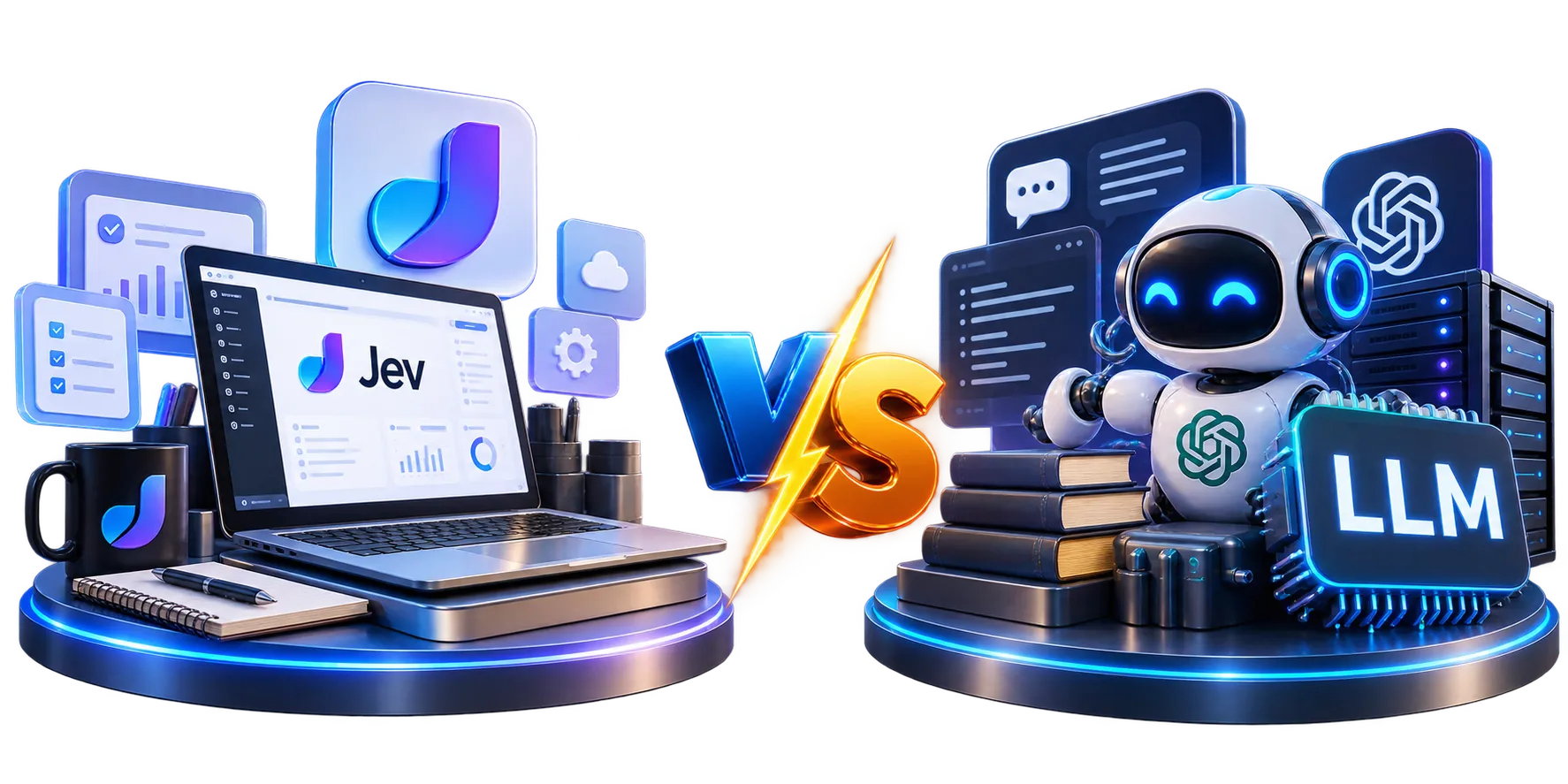 What is JEV and How Is It Different from LLMs? 5 min3 Oct 2026
 Waterfall to Agentic SDLC: The Evolution of Software Engineering 5 min6 Sept 2026
 Prompt Engineering to Harness Engineering: AI Development Evolution 5 min6 Sept 2026
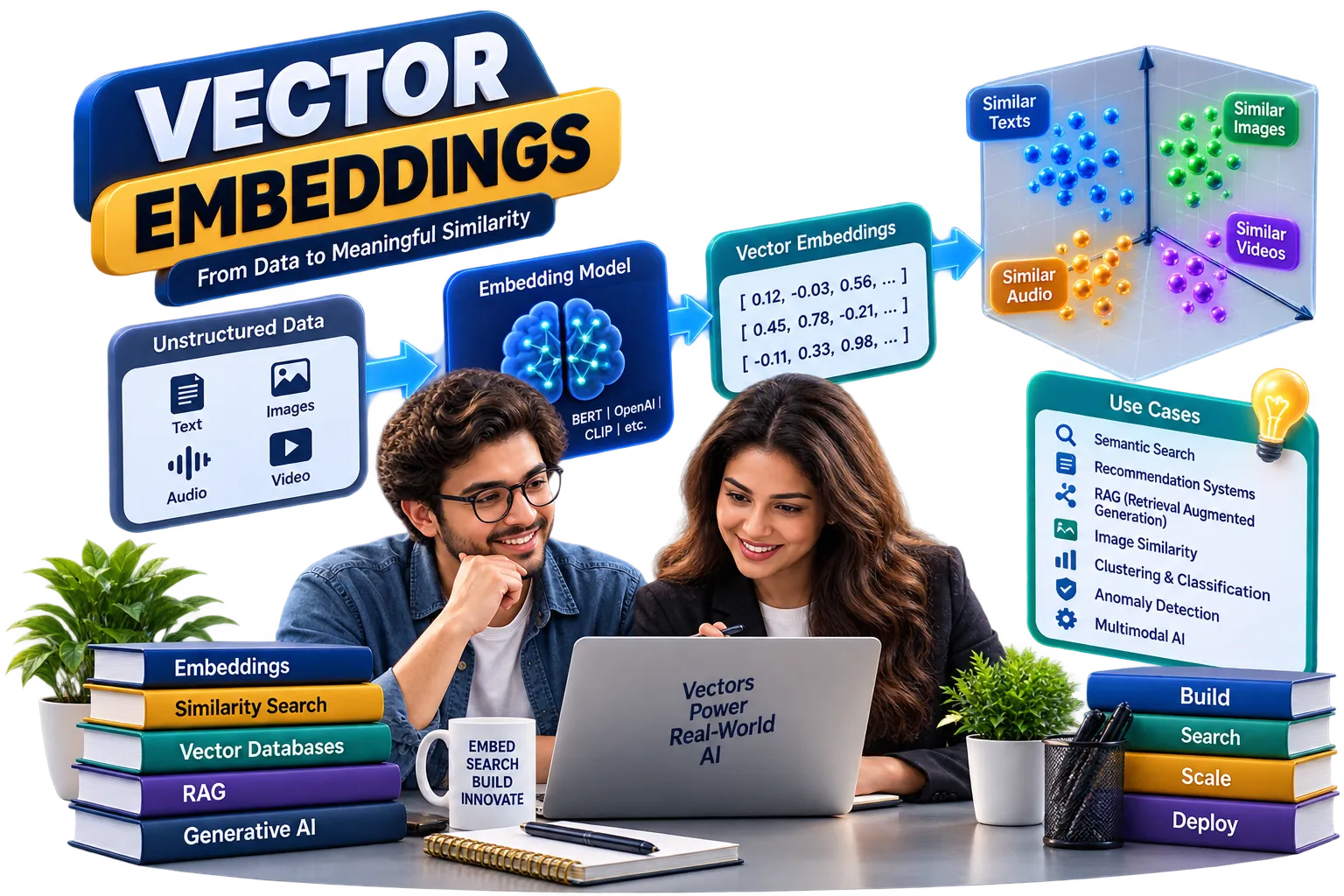 Vector Embedding Explained: The Math Behind Modern AI 5 min4 Sept 2026
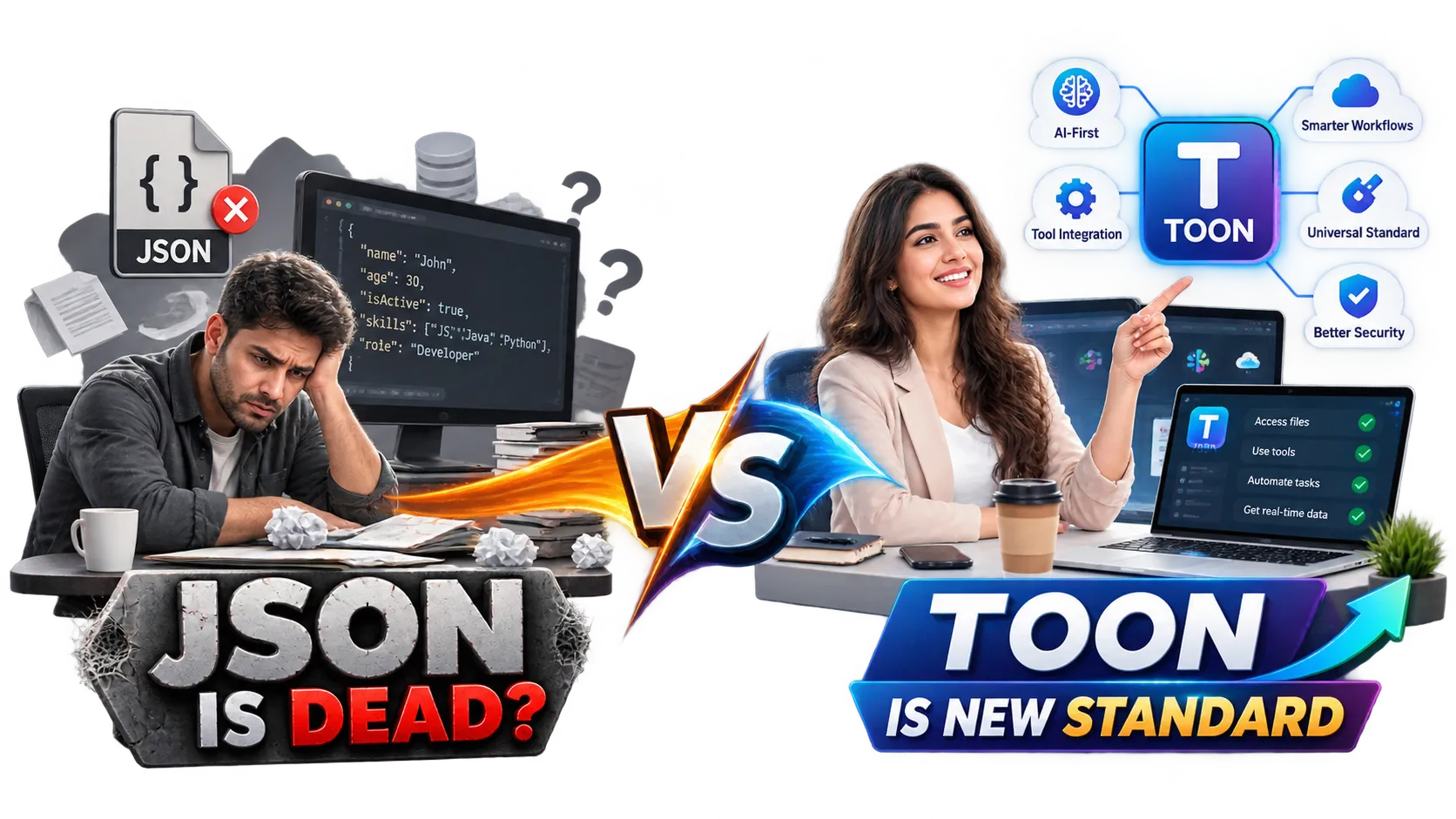 JSON vs TOON: The Problem and the Fix for LLM Data Transfer 5 min18 Aug 2026
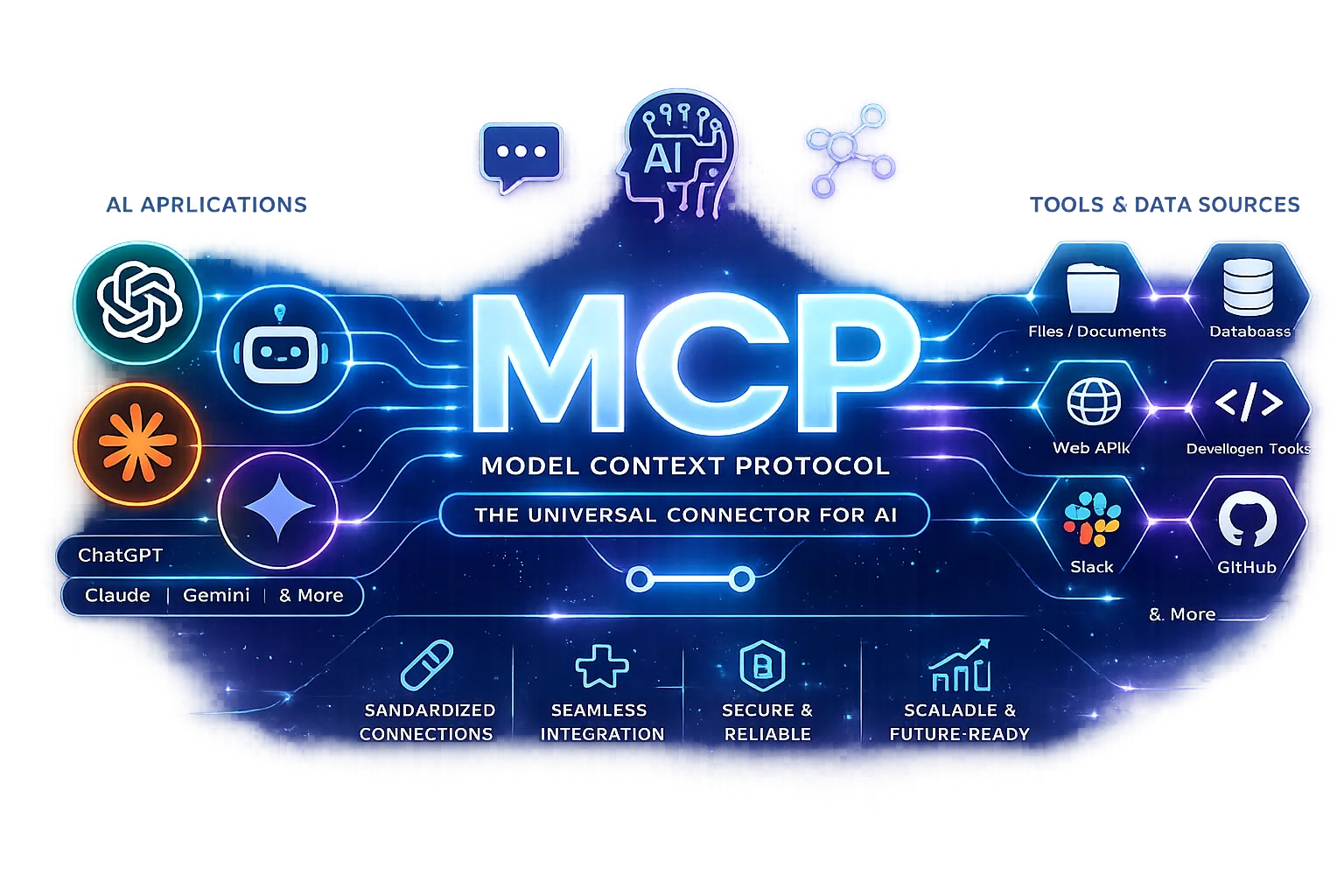 Model Context Protocol and the N*M Integration Problem 5 min16 Aug 2026 Trending
Discover JEV, how it differs fundamentally from Large Language Models, and when to use each for enterprise architectures.
Explore how software development evolved from rigid Waterfall and Agile cycles into the era of Agentic SDLC, where autonomous AI agents write, test, and deploy code.
TrendingDiscover why AI development is moving beyond simple prompt writing toward robust software wrappers. Learn how to build production-grade LLM application pipelines.
Demystify vector embeddings, how they represent real-world data as high-dimensional coordinates, and how LLMs use them to understand semantic meaning.
Discover why JSON costs you money in LLM APIs and how TOON (Token Object-Oriented Notation) fixes token bloat for efficient AI automation.
TrendingUnderstand the Model Context Protocol (MCP), how it solves the complex N*M integration problem between LLMs and data sources, and why it simplifies AI tool development.