
Big Data Engineering & Analytics Courses
Master large-scale data systems, stream processing, distributed storage, and advanced analytics with production-grade courses.
5 courses
 PopularKnow more
Hadoop Training
 BestsellerKnow more
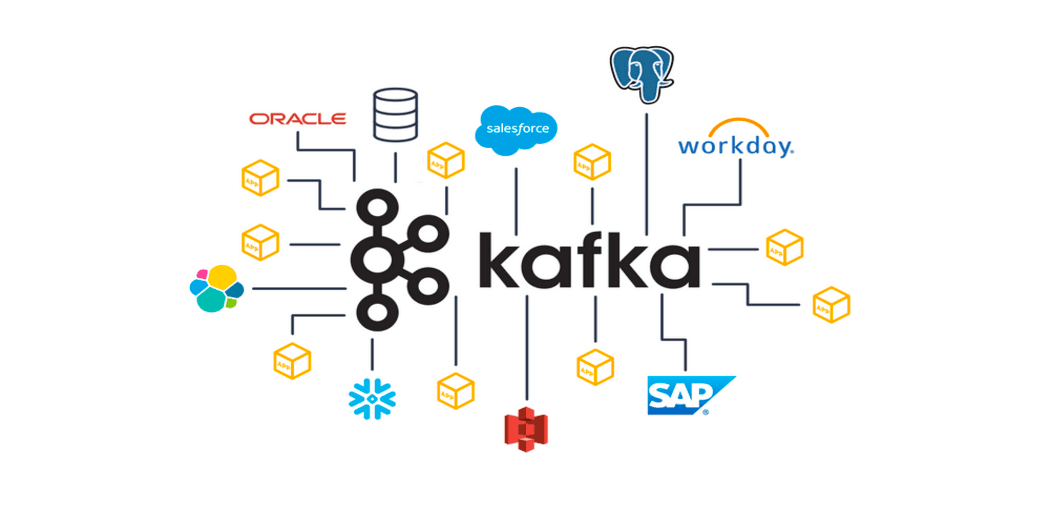
Apache Kafka Training
 Know more
MongoDB Training
 Know more
Apache Hive Training
 BestsellerKnow more
SQL (Structured Query Language) Training
About Big Data Engineering & Analytics at Squarebrackets
Modern data systems process petabytes of events, logs, and transactional records daily. Engineers in this domain design, build, and maintain distributed storage systems, real-time ingestion pipelines, and analytical data warehouses that power business decisions at scale. Managing these architectures in production requires constant attention to cluster scaling, memory allocation during large shuffles, and setting up telemetry alerts when node disks fill up unexpectedly.
This domain suits developers transitioning into data roles, freshers building a technical portfolio, and software engineers aiming to master distributed systems. You do not need a computer science degree, but you do need comfort with command lines, basic programming logic, and relational database concepts. If you are starting fresh and want an intensive career transition path, you can also look into the Data Engineering Bootcamp.
The learning path starts with the foundations. Begin with Linux for Big Data to master the command line and server internals required for distributed nodes. Next, tackle Apache Kafka Training to build real-time, event-driven data pipelines. Move into batch processing and cluster resource management using Hadoop Training, then manage flexible documents with MongoDB Training. Query massive datasets on Hadoop through familiar paradigms in Apache Hive Training, and finish by mastering complex querying across analytical engines in SQL (Structured Query Language) Training.
Roles hiring for these skills include big data engineers, data platform engineers, analytics engineers, and backend developers working on high-throughput streaming systems. Interviews test your understanding of distributed failure modes, partitioning strategies, shuffle operations, and query optimization under memory constraints rather than syntax memorization. Candidates are expected to pair their pipeline skills with strong data modelling fundamentals and robust operational practices.
Choose your starting point based on your current gaps. If you lack command-line confidence, start with Linux. If you already write backend services and need streaming experience, jump straight into Kafka.
About Big Data Engineering & Analytics training at Squarebrackets
This category holds 5 programmes at beginner and intermediate level. Each one is taught live by engineers who build production systems in the same technologies — which is the reason the syllabus tracks what teams actually run rather than what a textbook settled on three years ago.
Every programme is built around work you keep: something you can open in an interview, walk through line by line, and defend under questioning. You get the batch recordings for life, and placement support — resume review, LinkedIn optimisation, mock interviews and employer referrals — runs alongside the course rather than starting after it.
Not sure which of these fits? The free tutorials cover much of the same ground at your own pace and cost nothing, and the six questions worth asking any institute will tell you more than a comparison table will.
- Courses
- 5
- Levels
- Beginner · Intermediate
- Length
- 3 Months (12 Weeks)
- Mode
- Live online
Tools and technologies covered across these courses
- Apache Hadoop
- HDFS
- MapReduce
- YARN
- Apache Hive
- HBase
- Apache Sqoop
- Apache Pig
- Apache Oozie
- Apache Spark
- ZooKeeper
- Flume
- Java
- Linux
- Cloudera
- AWS EMR
- Apache Kafka
- Kafka Streams
Big Data Engineering & Analytics course questions
What skills are required to start learning Big Data Engineering & Analytics?
You need a solid grasp of programming logic, basic command-line navigation, and foundational relational database concepts. While prior software development experience helps, our structured path ensures you build distributed systems knowledge progressively, starting from core operating system environments up to advanced cluster streaming.
How should I sequence my learning across Kafka, Hadoop, and SQL?
Start with Linux for Big Data to master the command line. Next, learn real-time streaming via Apache Kafka Training. Follow this with distributed storage and batch processing in Hadoop Training, document stores with MongoDB Training, and analytical querying through Hive and SQL courses.
What do technical interviews for big data engineering roles test?
Hiring managers test your understanding of distributed failure modes, network partitioning, memory management during shuffle operations, and query tuning under heavy loads. Memorizing syntax will not help; interviewers want to see how you reason about scalability and fault tolerance in production architectures.
Do I need prior experience with Java or Python to learn big data tools?
Basic programming literacy in either Java or Python is recommended because many big data frameworks and client libraries use them for custom processing logic. However, major query engines and orchestration tools rely heavily on declarative languages and SQL paradigms.
How long does it take to become job-ready in big data engineering?
Most learners take between six to twelve months to complete the core curriculum and build enough hands-on projects to clear technical loops. The exact duration depends on your weekly practice hours and whether you already have a background in backend software development.
What is the difference between batch and streaming data architectures?
Batch processing handles large volumes of data collected over fixed time windows, optimized for throughput and deep historical analysis. Streaming architecture processes events instantly as they occur in real time, catering to immediate alerting, live dashboards, and low-latency transactional syncing across distributed microservices.
How do distributed databases handle node failures and data replication?
Distributed systems replicate data across multiple physical machines or availability zones to maintain high availability. When a node crashes, consensus protocols and automated failover mechanisms route traffic to replica nodes, ensuring zero data loss and uninterrupted read-write operations under heavy production loads.
How many Big Data Engineering & Analytics courses does Squarebrackets offer?
5 at the moment, spanning beginner and intermediate levels. They include Hadoop Training, Apache Kafka Training and MongoDB Training. The catalogue changes as batches open and close, so this page reflects what is currently running.
How long does a Big Data Engineering & Analytics course take?
Programmes in this category run around 3 Months (12 Weeks). Ask about the batch you are considering — the schedule and the total contact hours are set per batch, not per category.
Do I need experience before starting a Big Data Engineering & Analytics course?
Not for every course here — this category includes beginner-level programmes that start from fundamentals. The intermediate and advanced ones assume you can already write and debug code comfortably. If you are unsure which fits, the free tutorials are a fair way to test your footing before committing.
Are Big Data Engineering & Analytics classes live, and can I join from my timezone?
Both, and you can mix them within a batch. Live sessions run Monday to Saturday, 10:00–19:00 IST, taught by engineers from the studio that builds our client work. Enrolled learners keep lifetime access to their batch recordings.
Something not answered here? Ask us — a counsellor will talk through which programme in Big Data Engineering & Analytics actually fits, including when the answer is none of them.